
With more than 8,300 kilometers of coastline on four seas, the Mediterranean, the Aegean, the Marmara and the Black Sea, Türkiye has long been a magnet for archaeologists who work underwater. Along the Mediterranean coast alone, more than 430 shipwrecks have been documented, according to Hakan Öniz, an underwater archaeologist at Akdeniz University in Antalya, who called the figure remarkable by global standards.
Where the discipline began
Scientific underwater archaeology is often traced to Cape Gelidonya, off Antalya. A Turkish sponge diver spotted a wreck there in the 1950s, and in 1960 the American archaeologist George Bass excavated it, in what is widely seen as the first scientific excavation of an ancient shipwreck on the seabed.
Öniz argues that the Ottomans were there earlier. In 1891, on the orders of Osman Hamdi Bey, the painter, archaeologist and founding director of the Istanbul Archaeological Museums, divers were hired to work near Farmakonisi, today's Bulamaç Island in the Aegean, and some gold coins recovered then remain in Istanbul's collections. An 1884 Ottoman regulation on antiquities had already declared finds on Ottoman soil and under its waters to be state property, partly in response to the export of artefacts by foreigners. In Öniz's view, Türkiye can in a way be considered "the birthplace of underwater archaeology."
Some of the best-known wrecks followed. The Uluburun ship off Kaş, found in 1982 and excavated over 11 years, carried a Bronze Age cargo that included about 10 tons of copper, a ton of tin, glass ingots, ebony and ivory, as well as a gold scarab bearing the name of Egypt's Queen Nefertiti. In Istanbul, construction of the Marmaray rail tunnel exposed the Byzantine Theodosian Harbour at Yenikapı, where 37 wrecks from the 5th to 11th centuries were recovered, the largest group of medieval ships found at a single site, alongside traces of an 8,000-year-old Neolithic settlement.
New wrecks and new museums
Öniz's team is now working on three wrecks off the Antalya coast with remotely operated vehicles. One at Kekova, carrying Levantine-type amphorae, dates to the Early Bronze Age. Another near Kumluca, about 3,600 years old, carried copper ingots thought to come from Cyprus; both are older than Uluburun and Cape Gelidonya. The third, off Adrasan, is a late Hellenistic or early Roman ship whose cargo of plates and bowls was announced in late September.
The Bodrum Museum of Underwater Archaeology, founded in 1964, remains the main showcase for the field. A Mediterranean Underwater Archaeology Museum is under construction at the ancient site of Idyros in Kemer, and a planned Four Seas Museum at Istanbul's historic Haydarpaşa station would exhibit artefacts from all 81 provinces over about 10,000 square meters.
Sources
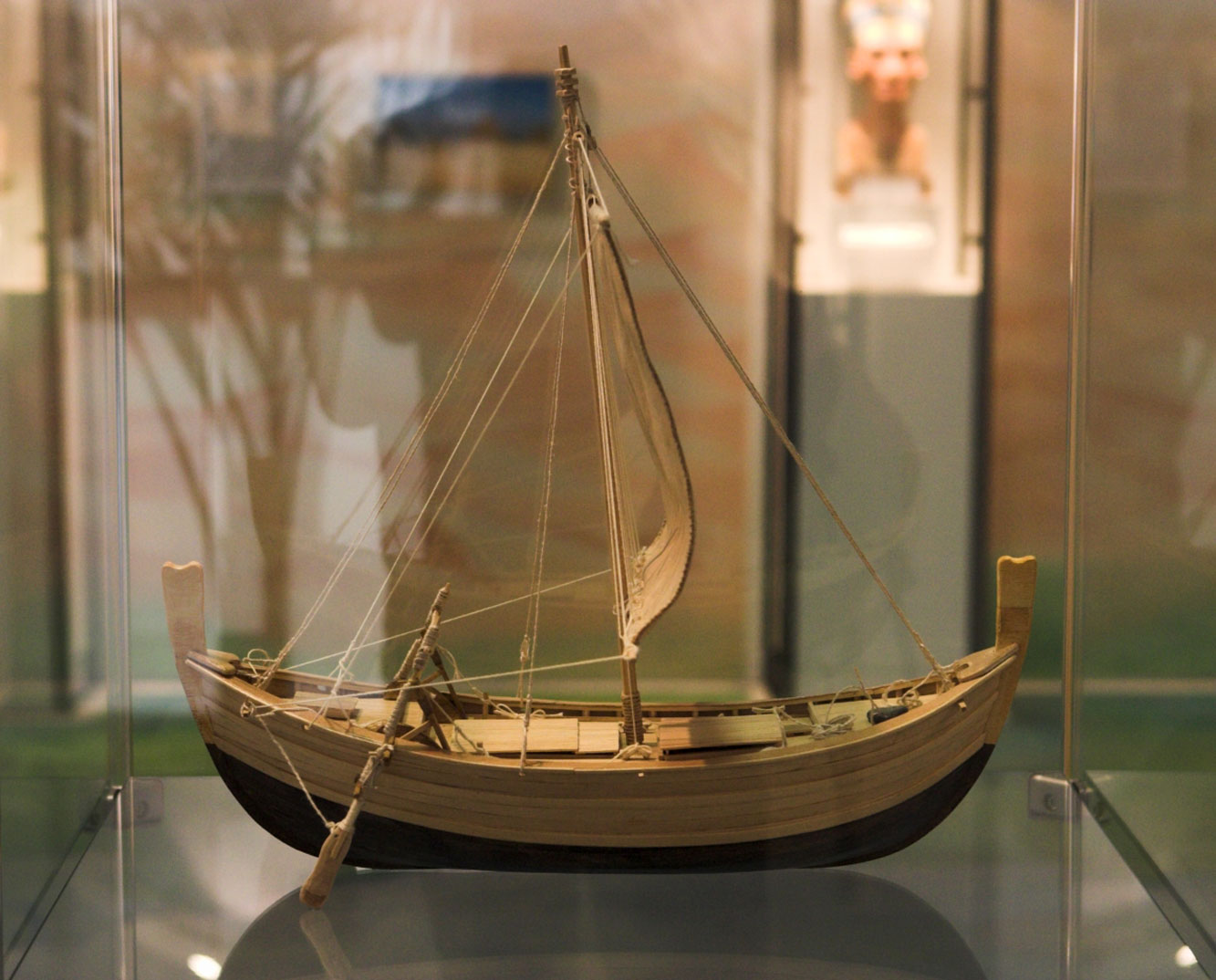
Photo: Martin Bahmann / CC BY-SA 3.0, via Wikimedia Commons