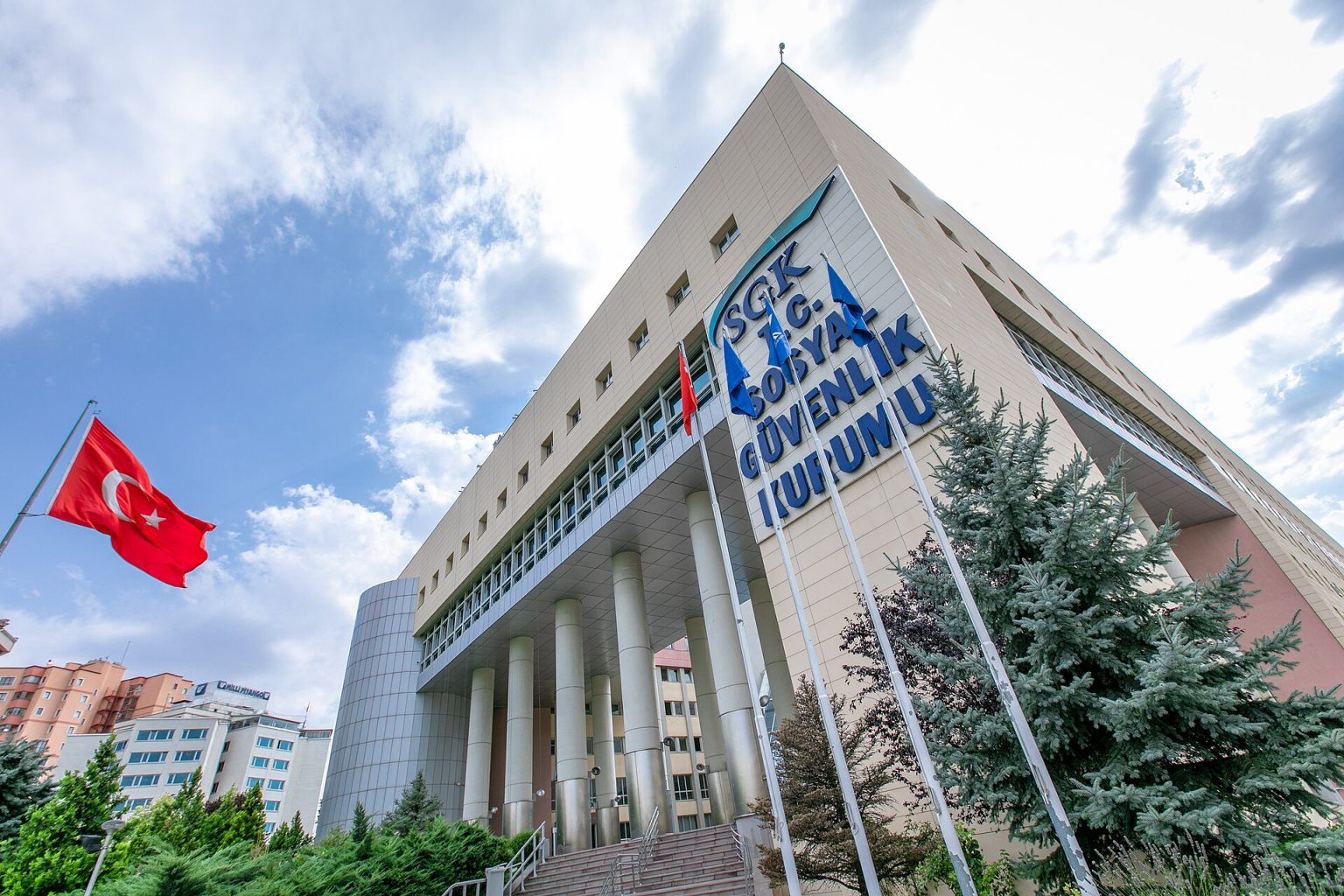

Türkiye's Social Security Institution (SGK) has revised the rules governing what the public health insurance system pays for, in an amendment to the Health Implementation Communiqué (SUT) published in the Official Gazette on Oct. 2, 2026. The changes touch organ transplantation, breast cancer treatment, a rare neurological condition and several hospital procedures.
The SUT is the rulebook that determines which treatments, medicines and procedures SGK reimburses, and under what conditions. Different parts of the latest amendment take effect on different dates.
Transplants and donor care
Under the new provisions, SGK will cover care costs for organ donors as well as for transplant recipients. Transplants must be carried out at facilities that host a licensed organ transplant center. When a suitable organ is available within Türkiye, certain costs for transferring the patient to the center holding it may also be covered. A per-donor payment for deceased donor procurement can be triggered on notification from the National Organ and Tissue Transplant Coordination Center. These transplant provisions take effect 30 days after publication.
The amendment also restricts payment for ABO-incompatible kidney transplants, in which donor and recipient blood groups do not match. SGK will cover them only when a health board report from a third-level facility documents that the patient cannot be treated with any form of dialysis.
Cancer drugs and other changes
For HER2-positive breast cancer, the reimbursement conditions for trastuzumab emtansine, pertuzumab and trastuzumab were redefined. According to reports on the communiqué, trastuzumab emtansine can be reimbursed for up to 14 cycles as a single-agent adjuvant therapy in early-stage patients under set conditions. Coverage requires a medical oncology board report and a prescription from a medical oncologist. If docetaxel is stopped because of side effects, patients can continue on trastuzumab and pertuzumab.
Satralizumab was added for highly active, relapsing neuromyelitis optica spectrum disorder (NMOSD), a rare autoimmune condition affecting the optic nerves and spinal cord. Eligibility criteria include being at least 12 years old, weighing at least 40 kilograms and testing positive for aquaporin-4 antibodies, with a report from a board of three neurologists at a third-level facility.
Other changes allow intensive care specialists to bill diagnostic bronchoscopy performed in intensive care units, add a code for thoracoscopic repair of esophageal atresia in newborns, and redefine what is included in bone marrow transplant package payments.
Separately, SGK announced on Oct. 7 that 10 products would be added to the reimbursed medicines list and four deactivated, effective Oct. 9.
Patients who want to know how the changes affect their own treatment should speak with their physician, pharmacist or SGK directly, as eligibility depends on detailed clinical criteria.
Sources
- SGK'dan ilaç ve tedaviler için yeni karar – Gazete Vatan
- SGK İlaç Geri Ödeme Listesi 2026: 2 Ekim yeni SUT şartları – Karar
Photo: Ardemirel1 / CC BY-SA 4.0, via Wikimedia Commons