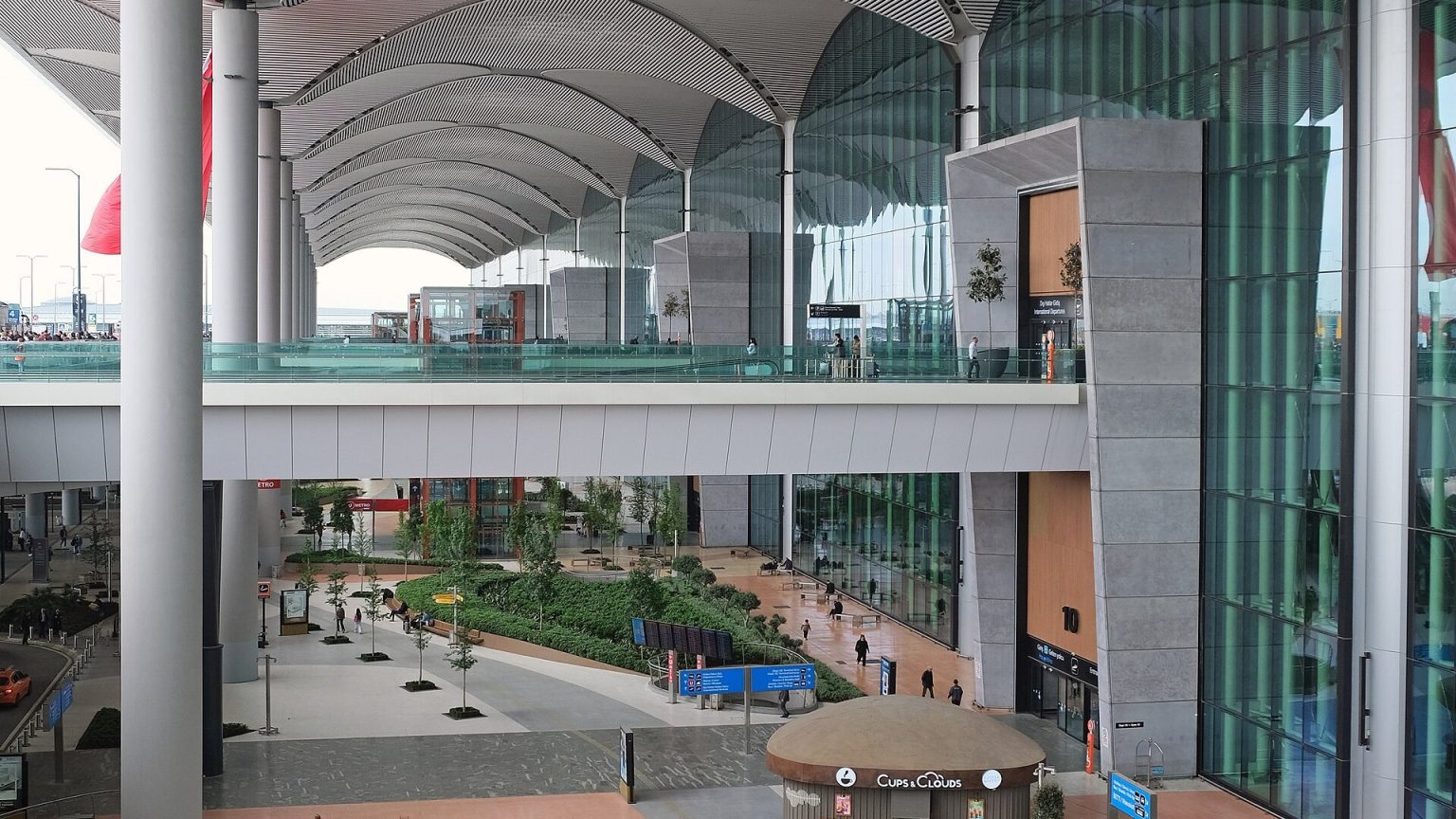

The operator of Istanbul Airport has revised its passenger forecast for the end of 2026 because conflict in the Middle East has led to flight cancellations, the company’s chief executive said in remarks reported on Oct. 14.
Selahattin Bilgen, CEO of İGA, told CNN International’s "Quest Means Business" programme that regional problems had caused certain flights to be cancelled, including the suspension of flights to Iran. He did not disclose the original or the revised passenger figure.
A transit gateway exposed to regional turmoil
Bilgen described Istanbul as a transit gateway for many countries in the Middle East and Africa, which makes its traffic sensitive to airspace closures in the region. Middle Eastern airspace restrictions have forced airlines to cancel or reroute services in recent months.
The latest disruption hit Saudi Arabia. After an attack on King Khalid International Airport in Riyadh, the Saudi General Authority of Civil Aviation suspended operations there, and Turkish Airlines and Saudia cancelled all of their flights between Istanbul and Riyadh, Turizm Güncel reported on Oct. 14. Some Jeddah services were also cancelled, while flights to Medina continued.
Passengers holding tickets to Saudi Arabia, Iran or other destinations in the region are advised to check flight status directly with their airline, as schedules may change at short notice.
Top of the connectivity rankings
Despite the setback, Bilgen highlighted the airport’s standing in global rankings. In the OAG Megahubs 2026 index, published on Sept. 18, Istanbul Airport overtook London Heathrow as the world’s most internationally connected airport. Bilgen also said it is Europe’s busiest airport by air traffic and has overtaken Frankfurt as the continent’s largest cargo hub.
The airport now hosts more than 110 airlines, he said, and its status as a highly connected hub helps it capture traffic flowing between East and West.
Fourth runway in service
Istanbul Airport, which opened in 2018 on the Black Sea coast north of the city, brought its fourth main runway into service in September. Bilgen said the runway adds capacity and improves operational efficiency, allowing more simultaneous take-offs and landings.
The airport is the main hub of Turkish Airlines, which flies to more countries than any other carrier, and is the primary entry point for most long-haul visitors to Türkiye. Istanbul is also served by Sabiha Gökçen Airport on the Asian side, the base of low-cost carrier Pegasus.
Sources
- İstanbul Havalimanı’nın yıl sonu yolcu sayısı tahmininde revize (Turizm Güncel)
- İGA CEO’su Bilgen’den dünya liderliği açıklaması (haber.aero)
- İstanbul-Suudi Arabistan hattında Riyad uçuşları askıya alındı (Turizm Güncel)
Photo: kallerna / CC BY-SA 4.0, via Wikimedia Commons