
The torrential rain that flooded parts of Istanbul this week has brought one piece of good news for the city of more than 15 million people: its drinking-water reservoirs filled up sharply in a single day.
Average occupancy across Istanbul’s dams rose to 45.22% on Thursday from 38.06% a day earlier, a jump of 7.16 percentage points, according to data from İSKİ, the municipal water and sewerage utility. That brings reserves close to the 10-year average for the time of year, Hürriyet reported.
Well ahead of recent years
The level is far above where the city stood on the same date in recent years. Occupancy was 24.96% in 2025, 34.74% in 2024 and 21.69% in 2023, when low rainfall prompted repeated warnings about water shortages and appeals to residents to cut consumption.
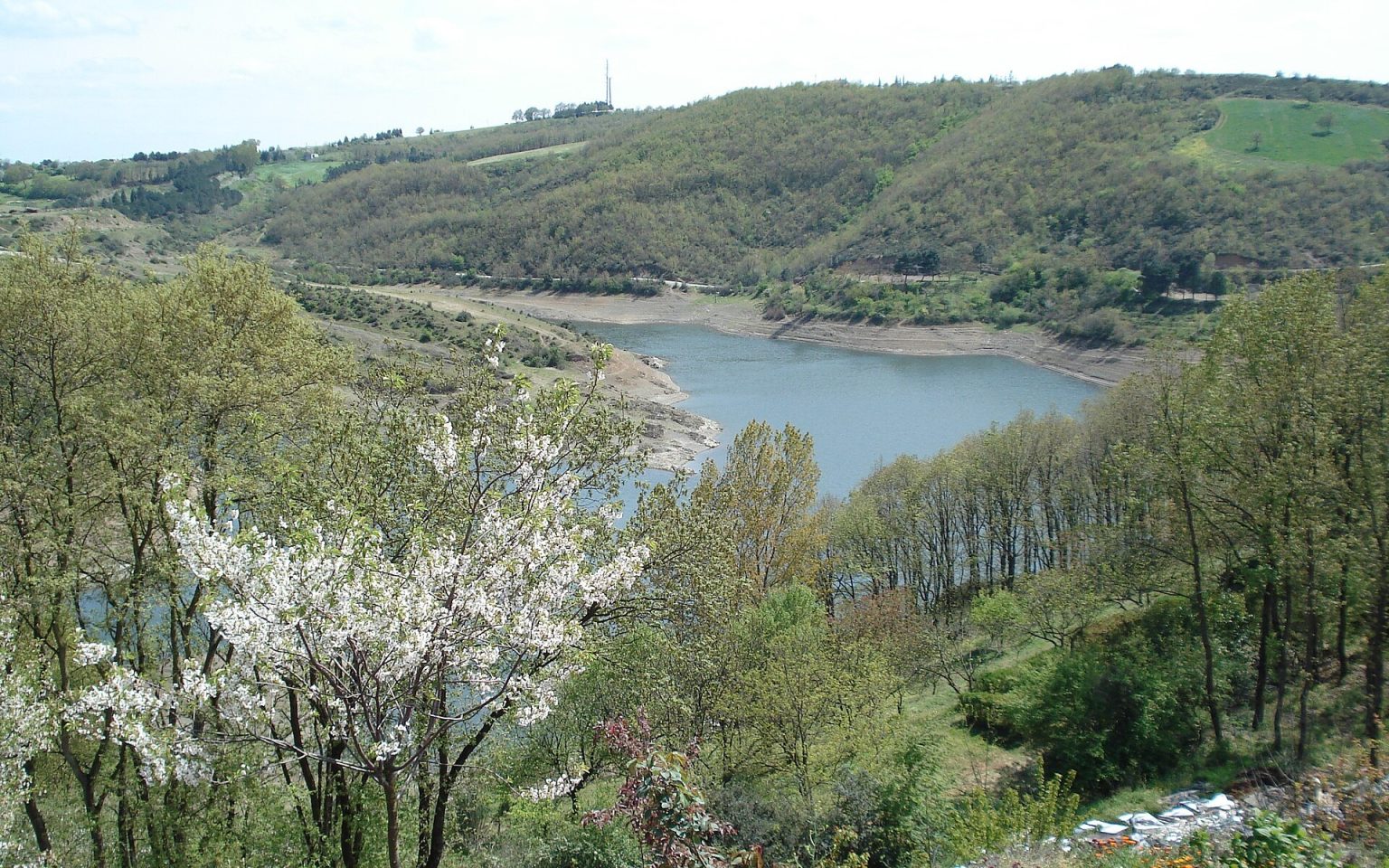
The biggest gains came in the smaller reservoirs close to the areas that received the heaviest rain. The Istrancalar system in the north of the European side rose to 84.2% from 19.01%. Alibeyköy climbed to 68.13% from 34.44%, its highest level in the past year, and Elmalı on the Asian side, which was at about 77%, filled to 100%.
Other reservoirs remain lower. Ömerli, the city’s largest, stood at 62.17% and Darlık at 67.74%, while Terkos was at 34.64%, Büyükçekmece at 29.02% and Sazlıdere at 27.47%. Kazandere and Papuçdere were at 8.28% and 3.41% respectively.
Rainfall among highest since 1985
The Istanbul Metropolitan Municipality said rainfall in some districts was among the highest values recorded since 1985. Beykoz received 242 kilograms per square metre, roughly equal to 242 millimetres, followed by Eyüpsultan at 190.5 and Sarıyer at 187.9. Large areas along the Bosphorus and in the northern and central parts of the European side received between 100 and 230 kilograms per square metre.
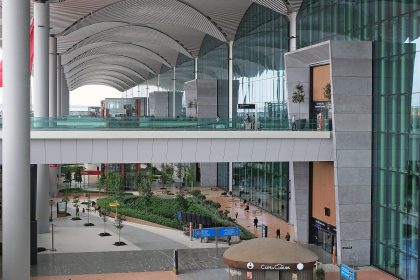
The same downpour killed two people, closed schools and forced flights to be diverted from Istanbul Airport, and many homes in low-lying neighbourhoods were flooded.
Istanbul draws most of its water from reservoirs in its forested north and from the Melen and Yeşilçay systems further east. City officials have repeatedly said that one wet spell does not end longer-term pressure on supplies from population growth and drier summers, and residents have been urged to keep saving water.
Sources
Photo: aachim3 (https://www.panoramio.com/user/2349392?with_phot… / CC BY 3.0, via Wikimedia Commons