
For most foreigners living in Türkiye, the residence permit is the document that everything else depends on, from opening a bank account to registering a phone. Renewing it on time is therefore one of the most important pieces of annual admin. Here is an overview of how the process works in 2026.
When to apply
Extension applications are made online through the Presidency of Migration Management's e-İkamet system. According to legal guidance published in 2026, an extension can be filed within the final 60 days of the current permit's validity. Applying too early may not be possible, and leaving it too late can cause serious problems.
If an extension is not secured and the permit expires, the foreigner is generally expected to leave the country within 10 days. Overstaying can lead to fines and, in some cases, an entry ban. Some guides note a narrow possibility of a late application within 15 days of expiry where there was a valid reason for the delay, but it is far safer not to rely on it.
After filling in the online form and booking an appointment, applicants usually submit documents to their provincial migration office. Commonly requested items include the application form, a copy of the passport, biometric photos, proof of sufficient income, a valid health insurance policy and payment receipts. Requirements differ by permit type, such as short-term, family or student permits.
What it costs
The Interior Ministry has stated that the 2026 fee for the permit card itself is 964 lira, and a ministry official said no other payments are required when submitting an application, denying any unofficial or fast-track charges. On top of the card fee, a separate permit fee (harç) applies, and its amount depends on nationality under the principle of reciprocity, with citizens of some countries exempt. Payment is made using the accrual number generated in e-İkamet, through the Revenue Administration's digital tax office.
Health insurance, notary, translation and apostille costs are separate and can add significantly to the total.
Neighborhood restrictions
Since 2022 some neighborhoods have been closed to new residence registrations by foreigners. Türkiye Today reported in June 2026 that most of these areas appear to have reopened, with Istanbul's Fatih and Esenyurt reportedly still restricted. This was based on the behavior of the e-İkamet system rather than a formal announcement, so anyone moving house should check their new address before signing a lease.
Rules and fees change regularly. Always confirm current requirements on e-ikamet.goc.gov.tr or with your provincial migration office before applying.
Sources
- Turkey Clarifies Residence Permit Fees and Validity Rules
- İkamet İzni Uzatma Başvurusu
- Türkiye reportedly removes neighborhood restrictions for foreign residents
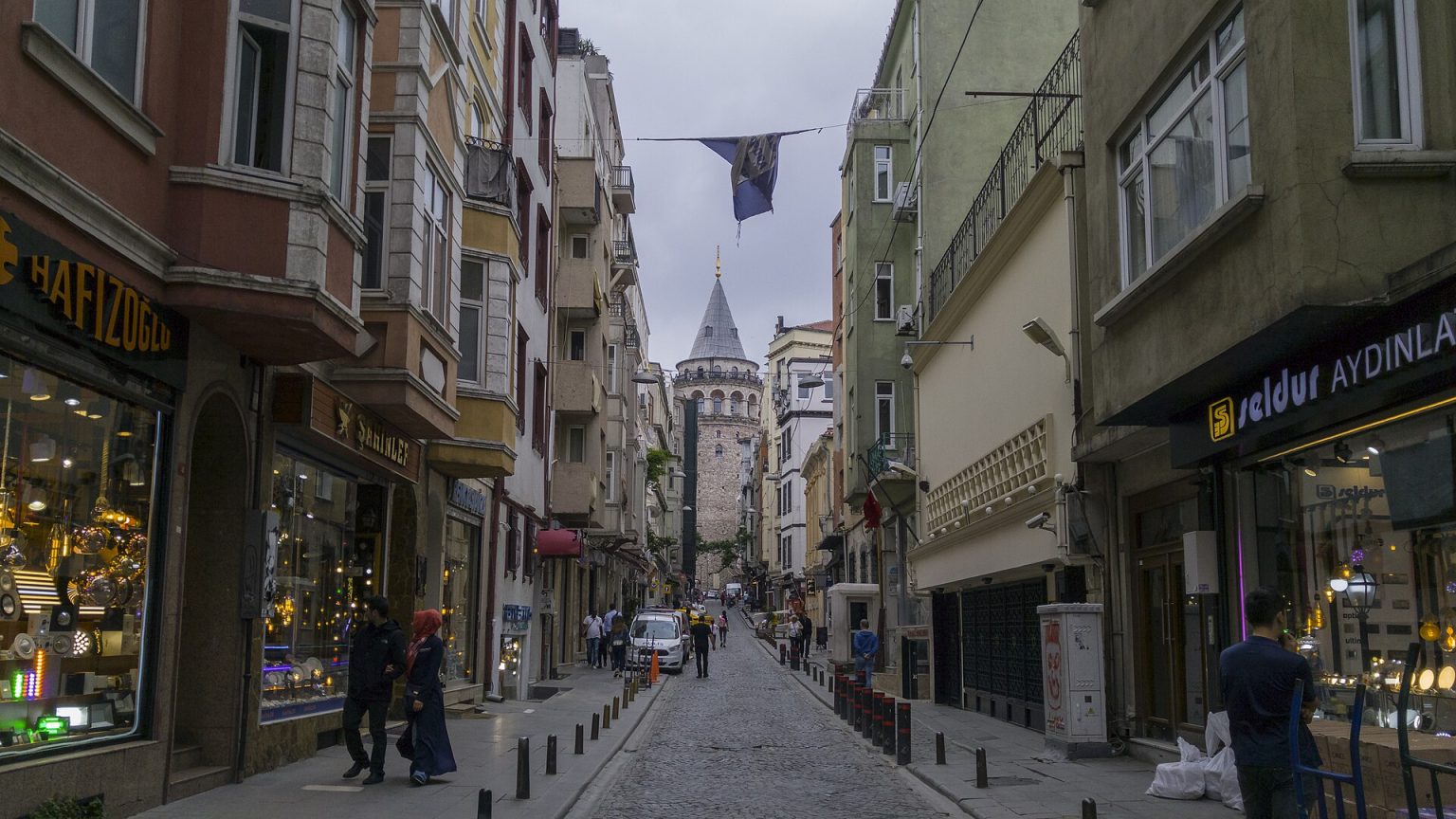
Photo: Mostafameraji / CC BY-SA 3.0, via Wikimedia Commons