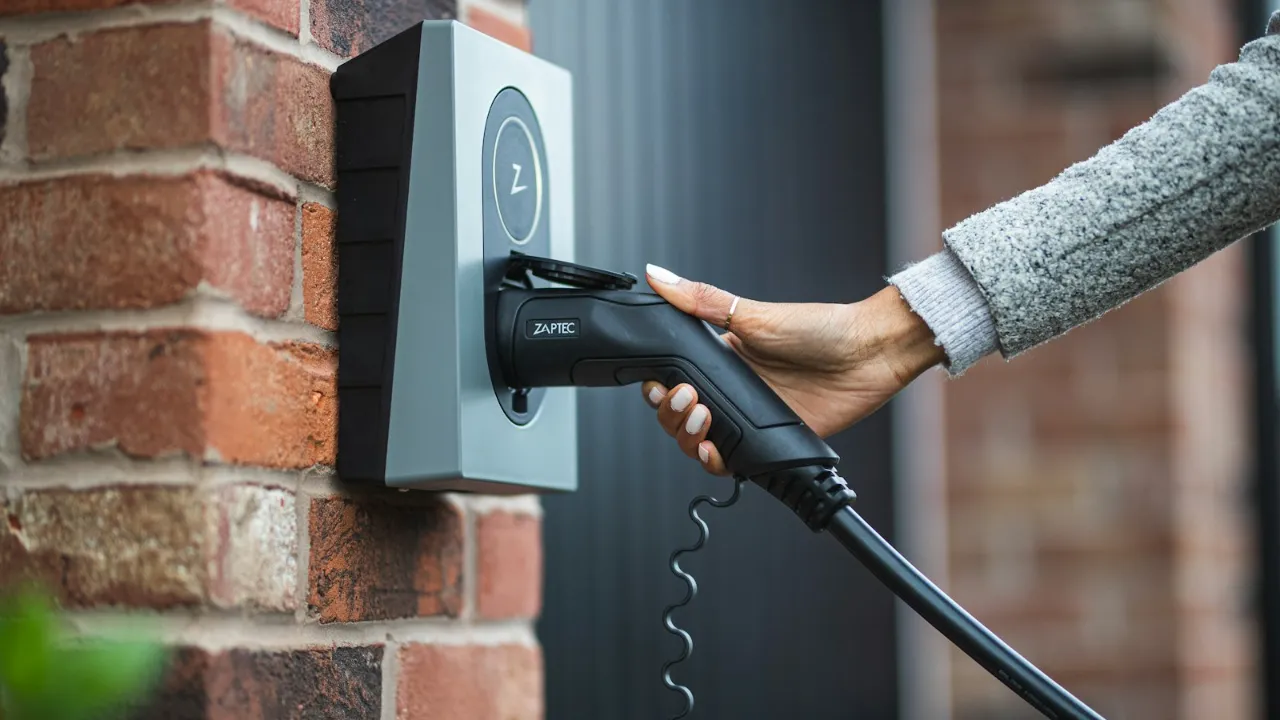

Electric car owners living in detached houses and low-rise housing in Türkiye are set to get a clearer legal route to charging at home, under a planned amendment to the regulation that governs workplace licences, the daily Milliyet reported on Friday.
According to the report, the change will be made to the Regulation on Workplace Opening and Operating Licences (İşyeri Açma ve Çalışma Ruhsatlarına İlişkin Yönetmelik), the rulebook that decides which businesses need a licence from the local municipality before they can open. The amendment has not yet appeared in the Official Gazette (Resmi Gazete), and no date for it was given.
What would change
Under the planned text, charging stations could be installed in the common areas of detached homes (müstakil konut) and of workplaces that fall outside the regulation’s scope, Milliyet said. Public institutions would also be able to set up stand-alone charging stations in their gardens and car parks.
There is one important limit for homes. Chargers placed in the shared areas of detached houses would serve only the owners and tenants living there and could not sell charging to vehicles coming from outside, the newspaper reported. In other words, a homeowners’ group could install a charger for its own residents, but it could not turn its driveway into a commercial charging point.
Why it matters
Charging has been a grey area for many residential buyers. Since a 2023 amendment, stand-alone public charging stations need a workplace licence, while stations inside other workplaces or mixed-use buildings go through a site-selection and activity permit issued by the municipality. Private chargers in shared spaces of homes did not fit neatly into either category.
In apartment blocks and gated communities (sites), a separate zoning change in March 2025 removed the need for a building permit to fit chargers in shared car parks, and owners of detached homes with their own parking space were already able to install a charger for personal use. Shared areas used jointly by several households, such as a common driveway or car park in a cluster of villas, are where the new rule would bring most clarity.
For foreigners who own or plan to buy villas and low-rise homes on the coast, where detached houses and small complexes with shared parking are common, the change could make an electric car a more practical choice. Buyers should still check the building’s management plan and agree on how electricity use will be metered and shared.
The planned change comes at a difficult time for the car sector, with Turkish vehicle production under pressure this year and the EU’s Made in Europe plans a concern for carmakers. Buyers comparing new homes may also look at recent house price trends. For a step-by-step overview of the purchase process, see our guide to buying property in Türkiye as a foreigner.
Partner · Vartur
Looking for property in Türkiye?
Browse current homes, villas and land for sale in Istanbul, Antalya, Bodrum, Fethiye and other cities on Vartur, our real estate partner. Each listing shows price, size and location, and you can contact the team directly about any property.
📘 Free PDF: Buying Property in Türkiye 2026, a 23-page guide to the process, costs, taxes, citizenship and residence permits, with a checklist.
Get free advice from a local property expert
Tell us what you are looking for and a licensed agent from our partner will get back to you, usually within one working day. No obligation.
Sources
- Oto şarjında kapsam genişliyor (Milliyet)
- Elektrikli araç şarj istasyonu faaliyetlerine ilişkin düzenleme Resmi Gazete’de (Anadolu Ajansı, 2023)
- Apartman ve siteler için elektrikli araç kararı (Sözcü, 2025)
Photo: Zaptec / Unsplash License, via Unsplash