
A repaint or new flooring is routine in Türkiye. Moving a bathroom, cutting into a wall or enclosing a balcony can bring in the municipality, your neighbours and, in historic areas, the heritage authorities. This guide takes you through the process step by step, as of November 2026.
- Step 1: Define the scope and set a budget
- Step 2: Check whether you need a permit
- Step 3: Get consent from other owners
- Step 4: Protect the structure
- Step 5: Choose turnkey or managed trades
- Step 6: Find and vet contractors
- Step 7: Sign a written contract with staged payments
- Step 8: Ask for invoices and understand KDV
- Step 9: Plan bathroom and kitchen refits carefully
- Step 10: Plan timing and waste removal
- Step 11: Manage the work from abroad
- Step 12: Snag before the final payment
- Frequently asked questions
Key points
- Simple repairs and finishes need no building permit. Work affecting the structure, the facade or the location or number of wet rooms does.
- Never remove or cut a column, beam or load-bearing wall.
- Work on common parts of an apartment block needs the written consent of four-fifths of the owners.
- In registered historic buildings and protected (sit) areas, even simple repairs need approval.
- Use a written contract, pay in stages and ask for an invoice (fatura).
This is general information, not legal or technical advice.
Step 1: Define the scope and set a budget
List what you want done, room by room, separating essentials (wiring, plumbing, damp) from cosmetic work.
There is no official price list, and quotes vary widely. The main cost drivers are:
- Scope: a repaint costs far less than stripping a home back to the walls.
- Size and access: floor area, floor level and whether there is a lift.
- Plumbing and wiring: moving pipes or drains means more demolition and labour.
- Materials: natural stone, made-to-measure cabinets and premium fittings raise the total quickly.
- Hidden problems: damp or old wiring often appear only once work starts.
Keep a contingency reserve and get at least three itemised quotes that state whether materials, waste removal and KDV are included.
Step 2: Check whether you need a permit
Under Article 21 of the Zoning Law (İmar Kanunu No. 3194), any change to a building that already has a permit requires a new permit, but repairs and alterations that do not affect the load-bearing structure are exempt.
The Planned Areas Zoning Regulation (Planlı Alanlar İmar Yönetmeliği) draws the line in more detail:
- Simple repairs and alterations (basit tamir ve tadil) cover plaster, paint, joinery, floor and ceiling finishes, electrical and plumbing repairs and roof repairs. They must not touch the load-bearing system, the unit’s external facade or the location or number of wet rooms (ıslak hacim, such as bathrooms and kitchens). Article 59 exempts them from a building permit.
- Major alterations (esaslı tadilat) affect load-bearing elements or change the building area, footprint, number of units, common areas, use or approved project drawings. They require a permit, often called a renovation permit (tadilat ruhsatı).
- Insulation and solar panels for the building’s own use are permit-exempt only if they do not affect the structure, the owners consent under the Condominium Law and the municipality gives permission on the submitted project.
- Folding glass panels on balconies are permit-exempt, but consent rules still apply (see Step 3).
If unsure, ask the municipality’s zoning department (imar müdürlüğü) or an architect before starting. Unpermitted work can lead to a stop-work order, fines, demolition at the owner’s cost and, in serious cases, criminal liability. If your home was legalised under the 2018 scheme, read our explainer on the zoning amnesty and building registration certificates first.
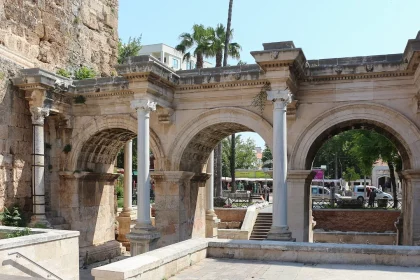
Protected areas. Under Law No. 2863 on the protection of cultural and natural assets, no construction or physical intervention may be made on protected property against the decisions of the regional conservation board. In registered buildings and sit areas, even paint, plaster or roof repairs need permission from the municipality’s conservation unit (KUDEB) or, where there is none, the conservation board, and KUDEB checks that original forms and materials are used. Major repairs need the board’s approval. Ask the municipality whether your property is affected before planning anything.
Step 3: Get consent from other owners
Most foreign owners live in buildings under condominium ownership (kat mülkiyeti). Article 19 of the Condominium Law (Kat Mülkiyeti Kanunu No. 634) requires owners to protect the building’s architectural design, appearance and soundness. No owner may carry out construction, repairs or installations in the common parts, or paint the exterior a different colour, without the written consent of four-fifths of all owners.
In practice:
- Work inside your unit that does not touch common installations or the structure generally needs no consent.
- The facade, balconies, roof, garden and shared pipes are common parts or affect them, so get written consent first.
- Columns, beams and load-bearing walls cannot be altered by any majority.
- The management plan (yönetim planı) can set extra rules, for example on window colours or working hours.
Tell the building manager (yönetici) before work starts. Other owners can go to court to stop work and have the building restored.
Step 4: Protect the structure
Engineers warn that removing walls on lower floors can create a weak "soft storey" that behaves badly in an earthquake, and they report columns and beams being cut to run pipes.
Before removing any wall, have a civil engineer (inşaat mühendisi) check it against the project drawings, usually held at the municipality. Our guide to earthquake safety, building codes and DASK explains how to assess and insure a building.
Step 5: Choose turnkey or managed trades
- Turnkey (anahtar teslim): one firm handles everything from demolition to handover, usually at a fixed price for a defined scope. This suits owners abroad, but the specification must be detailed.
- Managed trades: you or a project manager hire the plumber, electrician, tiler and carpenter separately. It can cost less and gives more control, but you carry the coordination risk.
Step 6: Find and vet contractors
Ask neighbours, your building manager and local expat groups for names, and see finished work if you can. Our guide on how to find a reliable tradesman in Turkey covers vetting in detail.
Online directories help you build a shortlist. You can compare firms by province, read reviews and request quotes through the ilan.com.tr directory of turnkey renovation firms, which also publishes indicative price ranges. Treat any listing as a starting point, not a recommendation. Ask each firm whether it issues invoices and who supervises the site.
Step 7: Sign a written contract with staged payments
A renovation is a contract for work (eser sözleşmesi) under the Turkish Code of Obligations: the contractor must deliver work free of defects and in line with the contract. Put in writing:
- a detailed scope with brands, models, finishes and drawings;
- the total price, whether it includes KDV and what happens if prices change;
- start and completion dates;
- payments tied to completed stages, such as demolition, plumbing and wiring, tiling and handover;
- who removes waste and who pays for damage to common areas;
- a final payment held back until snags are fixed.
Avoid paying most of the price upfront. Pay by bank transfer with a clear description and keep receipts, messages and dated photos. If you contract as a private person, consumer protection rules can apply, and smaller disputes go to the consumer arbitration committee (tüketici hakem heyeti).
Step 8: Ask for invoices and understand KDV
The general VAT (KDV) rate is 20%, in force since July 2023. Check whether a quote is "KDV dahil" (VAT included) or "KDV hariç" (VAT excluded). In 2026, a business must issue an invoice for any sale or service above 12,000 lira. The invoice is your proof of payment and supports warranty claims on materials and appliances.
Step 9: Plan bathroom and kitchen refits carefully
- Keep wet rooms where they are if you can. Moving them takes the job out of the simple repair category.
- Waterproof properly under showers and bathroom floors, as leaks into the flat below are a common cause of disputes.
- Renew old pipes while the walls are open rather than tiling over them.
- Use a certified firm for gas. Under the energy regulator’s rules, moving or adding gas appliances or changing capacity needs a project amendment approved by the gas distributor. Our combi boiler guide explains this.
To compare specialist firms, browse bathroom renovation listings on ilan.com.tr and ask each for an itemised quote.
Step 10: Plan timing and waste removal
Allow for long lead times on made-to-measure kitchens and windows. Agree working hours with the building manager, protect the lift and stairwell and warn neighbours about noisy days.
Renovation rubble (moloz) cannot be left on the street or put in household bins. Municipalities fine people who fill waste containers with rubble or dump it on open land. Some collect bagged renovation waste for a fee; others expect a licensed carrier. Agree in the contract who removes the waste, and ask the municipality how collection works locally.
Step 11: Manage the work from abroad
- Appoint a trusted person, architect or project manager to visit the site at each payment stage.
- Ask for dated photos and video calls before releasing payments.
- Keep all instructions in writing.
- If someone must sign applications for you, you may need a notarised power of attorney, as explained in our guide to power of attorney for property.
Step 12: Snag before the final payment
Walk through every room with the contractor and list every defect: doors and cupboards that stick, uneven or hollow tiles, leaking taps or drains, dead sockets, messy paint or silicone, and missing appliance warranties.
Inspect the work as soon as it is delivered and report defects in writing within a reasonable time. Report hidden defects without delay once you find them, or the work can be treated as accepted.
If you are still looking for a home to renovate, our guide to buying property in Turkey as a foreigner explains the purchase process.
Frequently asked questions
Q: Do I need a permit to renovate my flat in Türkiye?
A: Not for simple repairs such as painting, plastering, new flooring or plumbing and electrical repairs. Work affecting the structure, the facade or the location or number of wet rooms is a major alteration and needs a municipal permit.
Q: Can I knock down a wall inside my apartment?
A: Only if a civil engineer confirms it is not load-bearing. Columns, beams and load-bearing walls must never be removed or cut.
Q: Do I need my neighbours’ consent?
A: Not for work confined to your own unit that does not affect common installations or the structure. Work on common parts, such as the facade, needs the written consent of four-fifths of all owners.
Q: What if my home is in a protected (sit) area?
A: Even simple repairs need approval from the municipality’s conservation unit (KUDEB) or the regional conservation board. Major repairs need the board’s approval.
Q: How should I pay a renovation contractor?
A: In stages tied to completed work, by bank transfer, holding back a final payment until snags are fixed. Ask for an invoice and check whether the price includes KDV.
Planning to buy a home in Türkiye? Download our free property guide for a step-by-step checklist.
Sources
- Zoning Law 3194 Art. 21 and Planlı Alanlar İmar Yönetmeliği (basit tamir ve tadil, esaslı tadilat, Art. 55, 58, 59), Imar Kanunu Art. 32 and 42 enforcement (Hukukçular Evi, Sept 2026)
- Planlı Alanlar İmar Yönetmeliği consolidated text 1 July 2026: Art. 4 definitions, Art. 55/8-9 owner consent, Art. 59 works not requiring a permit (Alomaliye)
- Kat Mülkiyeti Kanunu Art. 19: protection of architectural design, four-fifths written consent for common parts and exterior paint; balcony enclosure, remedies (Hukukçular Evi)
- Court of Cassation decisions on works owners may carry out without other owners’ consent (Hukuki Haber)
- Law 2863 Art. 9, KUDEB and conservation board permissions for registered buildings and sit areas (Hukukçular Evi)
- Kayseri Metropolitan Municipality KUDEB booklet: pre-permits and supervision of repairs in registered buildings and sit areas, original form and materials
- İzmir University of Economics: renovation risks, soft storey, cut columns and beams, municipal approval and expert supervision
- Maltepe bina çökmesi sonrası uzmanlar: dükkan tadilatları sorgulanmalı (İndigo Dergisi, Oct 2026)
- Contract for work (TBK 470, 474, 475, 477, 478), consumer law, evidence for renovation defects (Hukukçular Evi)
- KDV oranlarında değişiklik: general rate 18% to 20% from 10 July 2023, Presidential Decision 7346 (PwC Türkiye)
- Turkey VAT guidelines: 20% standard rate since 10 July 2023 (LookupTax)
- Fatura düzenleme sınırı 2026: 12,000 TL, VUK General Communiqué 588 (PwC Türkiye)
- 2026 fatura kesme ve düzenleme sınırı 12,000 TL (MuhasebeTR)
- Doğal Gaz Piyasası Dağıtım ve Müşteri Hizmetleri Yönetmeliği amendment: certified firms, project amendments for moving or adding gas appliances (Alomaliye)
- Bodrum Municipality: fines for filling waste containers with construction rubble and dumping construction waste (Misdemeanours Law Art. 41/4)
- Nilüfer Belediyesi renovation waste collection charged per sack (Bursa Hakimiyet)
Photo: Satirdan kahraman / CC BY-SA 4.0, via Wikimedia Commons