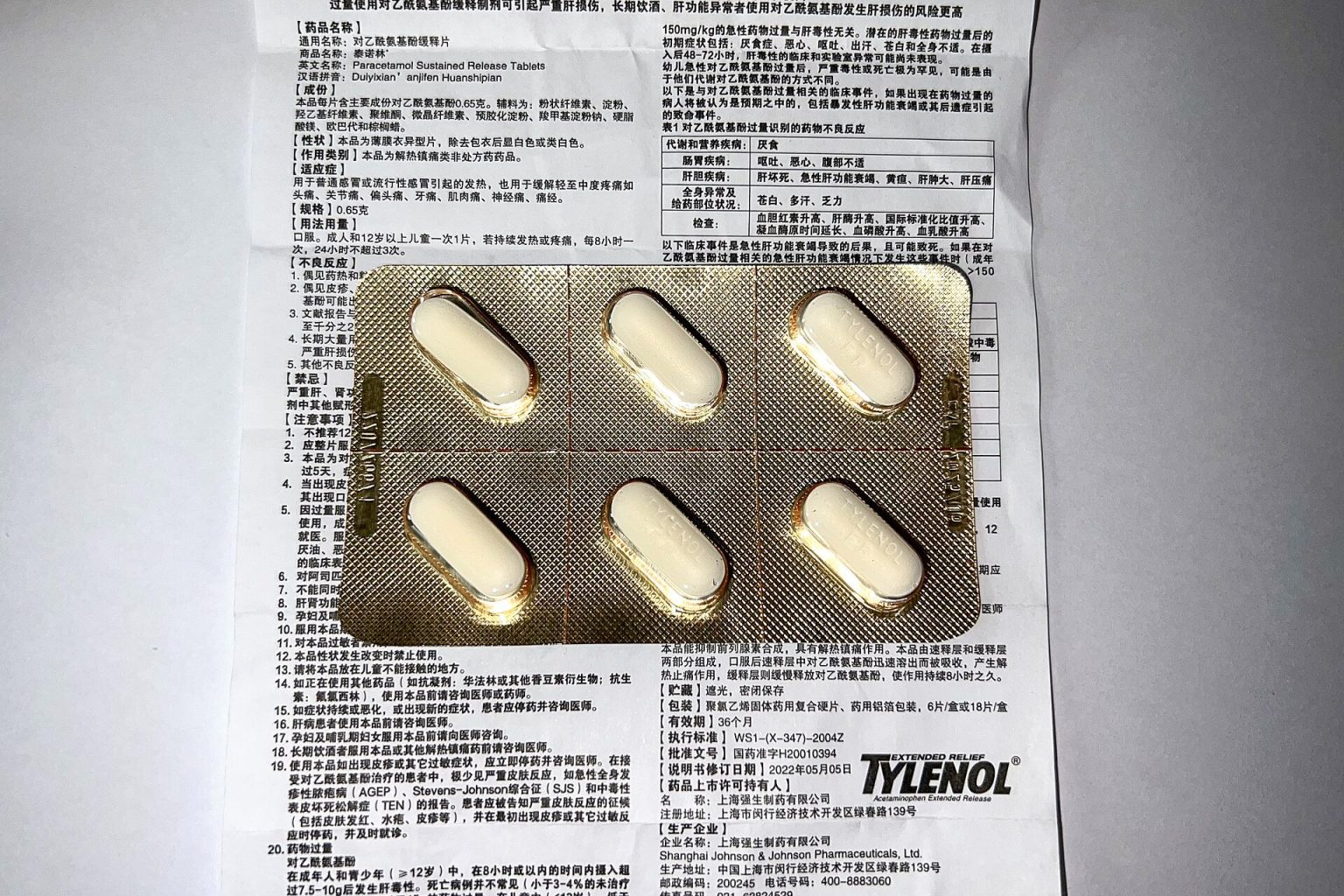

The death of a 3-year-old girl in Istanbul, which press reports have linked to an alleged overdose of fever-reducing syrup, has prompted pediatricians to warn parents about the risks of common children’s medicines, Hürriyet reported on Oct. 14.
According to the reports, the mother is alleged to have given the child more than the recommended dose of a fever reducer. A judicial investigation and medical examinations are under way, and no official finding on the cause of death has been announced. The product involved has not been named.
Common medicines, real risks
Pediatrician Dr. Pınar Balgöz told Hürriyet that taking more than the recommended amount, or repeating doses too often, can lead to serious poisoning, organ damage and, rarely, death. She cited paracetamol, which in overdose can damage the liver, and ibuprofen, which can cause acute kidney injury, particularly in dehydrated children.
Children’s doses are usually calculated by body weight, but Balgöz said age, the active ingredient, the concentration of the syrup, the product’s instructions and the maximum daily amount also matter. Two syrups can look identical in volume yet contain different amounts of the drug, so parents should read the concentration on each bottle.
She advised using the measuring syringe or cup supplied with the medicine rather than kitchen spoons, and recording the time and amount of every dose.
Mistakes to avoid
Among the most common errors, she listed giving doses at shorter intervals than recommended, giving another dose every time the fever returns, losing track of the daily total, and combining products that contain the same active ingredient, for instance a cold remedy and a fever syrup that both include paracetamol.
Alternating paracetamol and ibuprofen should not be routine and should only be done on a doctor’s advice for a specific child, she said.
When to seek help
Babies under three months with a temperature of 38 degrees Celsius or higher should be assessed by a doctor promptly. If an overdose is suspected, the child should be seen urgently even if they seem well, because early paracetamol poisoning may cause no symptoms. Parents should not try to make the child vomit at home.
Türkiye’s emergency number is 112, which should be called if a child becomes confused, has a seizure, has difficulty breathing or cannot be woken. Parents can also ask pharmacists, who in Türkiye can advise on over-the-counter children’s medicines and dosing, for help reading labels written in Turkish.
Sources
Photo: N509FZ / CC BY-SA 4.0, via Wikimedia Commons