
The Greek Cypriot administration said it will take its objections to a planned undersea natural gas pipeline between Türkiye and Turkish Cyprus to European Union foreign ministers, arguing that the project breaches its sovereignty, Hürriyet Daily News reported from Nicosia on Oct. 13.
Greek Cypriot Foreign Minister Constantinos Kombos is to brief his EU counterparts on a memorandum of understanding signed between Ankara and the Turkish Republic of Northern Cyprus. The pipeline would run from Türkiye’s southern coast to the north of the island.
Kombos called the agreement a "clear violation of international law" and of what he described as the sovereign rights of the Republic of Cyprus, presenting it as part of a broader pattern of Turkish actions in the eastern Mediterranean. Nicosia also argues that the project casts doubt on Ankara’s commitment to its EU membership bid.
Speaking ahead of the EU Foreign Affairs Council meeting in Luxembourg, Kombos said Greek Cyprus had reported 659 violations of its airspace and exclusive economic zone to the United Nations in July and August.
The report did not include a response from Ankara or the Turkish Cypriot side to Kombos’s remarks.
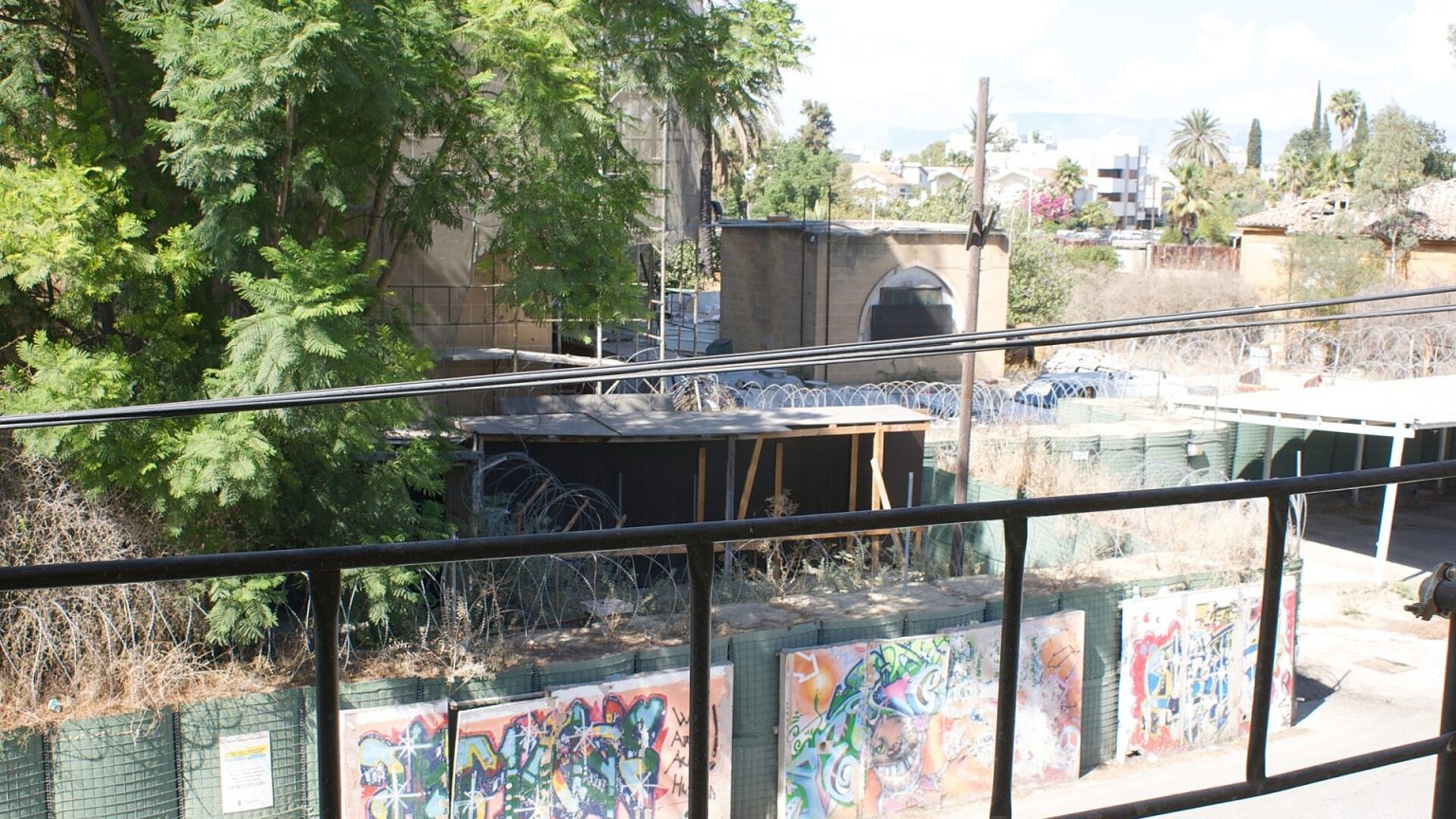
Leaders meet in buffer zone
On the same day, Turkish Cypriot leader Tufan Erhürman and Greek Cypriot leader Nikos Christodoulides met in the UN-controlled buffer zone in Nicosia. It was their first meeting since separate contacts on Cyprus in New York and followed their previous encounter on Sept. 17.
The agenda centred on confidence-building measures put forward by UN Secretary-General Antonio Guterres. Erhürman said the leaders would discuss seven measures Guterres outlined during a visit to the island in late July, six of which he said had already been accepted.
"We are going into the meeting with the aim of holding a results-oriented discussion," Erhürman said before the talks. After returning from New York, he had stressed that all seven proposals needed to be addressed.
The island has been divided since 1974, and the meeting was watched for signs of whether the UN-backed confidence-building agenda can move forward.
Sources
Photo: Basak Senova / CC BY 2.0, via Wikimedia Commons