
One of Türkiye's most important museum complexes has completed a major restoration, with the Istanbul Archaeological Museums reopening their historic buildings and visitor spaces in renewed form, Culture and Tourism Minister Mehmet Nuri Ersoy said in mid-September.
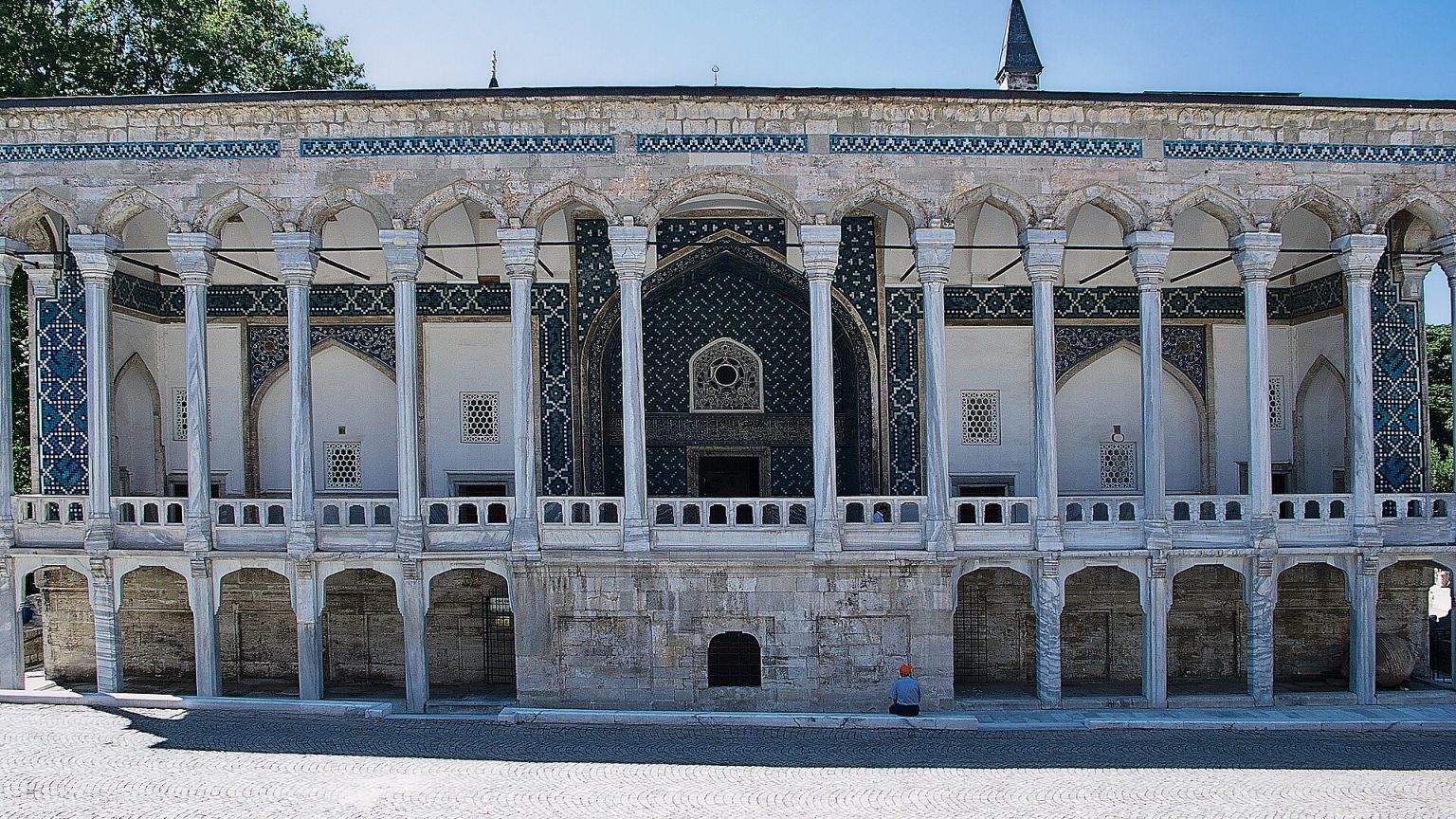
The project took in the complex's neoclassical main building, the Museum of the Ancient Orient, the Tiled Kiosk, the courtyard and the adjoining Gülhane Square. According to the ministry, the aim throughout was to preserve the original architectural character of the buildings while bringing them in line with current museum practice. Ersoy described the complex as more than a place where objects are displayed, calling it "a living cultural space."
A project spanning more than a decade
Work on the main building started in 2011 and proceeded in stages. After structural reinforcement, conservation and new exhibition work, it reopened to visitors in 2021. The most recent phase, launched in January 2023, concentrated on the Museum of the Ancient Orient and the Tiled Kiosk.
At the Museum of the Ancient Orient, teams strengthened the concrete and vaulted ceilings and the masonry walls, renewed the roof and conserved the sculptures and decorative details on the facade. Its galleries were rearranged with new display and lighting systems and cover Assyrian, Sumerian, Akkadian, Babylonian, Hittite, Urartian, Arabian and Egyptian collections.
The Tiled Kiosk received particular attention. Later additions to its roof were removed and old lead sheeting was replaced with materials compatible with the original fabric. Conservators catalogued about 54,000 exterior tiles and drew up an individual plan for each one, covering cleaning, consolidation, repair and colour restoration. Displays in the İznik, Kütahya, Çanakkale, Early Ottoman and Seljuk galleries were also updated.
New entrance and open-air displays
Visitors now enter through Gülhane Square, where a new reception centre has been built. Thirty-eight artefacts line the Osman Hamdi Bey Slope, the path that leads from the square to the museums, named after the painter and archaeologist who founded the institution. A further 140 or so pieces are displayed in the redesigned courtyard, bringing the number of objects exhibited outdoors to nearly 180.
The ministry presents the overhaul as a way to let visitors engage with history, art and architecture across the whole site rather than only inside the galleries.
Sources
Photo: José Luis Filpo Cabana / CC BY 3.0, via Wikimedia Commons