
Turkish construction group Rönesans Holding plans to spread the sustainable engineering expertise of its Dutch subsidiary Ballast Nedam across its global operations and to adopt green construction site practices in all its business lines by 2030, Hürriyet reported on Thursday night.
Rönesans, which has ranked among the world’s 50 largest international contractors for 11 years, bought the 150-year-old Ballast Nedam in 2015. Speaking in Amsterdam, board chair İpek Ilıcak Kayaalp said the group would carry the Dutch firm’s know-how into its markets worldwide under a new structure, according to the newspaper.
Modular building and water management
The group sees modular construction and water management as central to building sustainable cities. Ballast Nedam’s portfolio includes work on Amsterdam’s Johan Cruijff ArenA and the Gaasperdammer and Maasdelta tunnels, and Rönesans is building the New Merwede Bridge, described as the Netherlands’ second-largest bridge, as part of the A27 motorway programme.
As of June 2026 the group had a construction portfolio worth 8.7 billion euros, with more than 1,000 projects in about 40 countries and roughly 50 billion dollars in cumulative international revenue. It says its private-sector investments in Türkiye total about 13 billion dollars, bringing in 2.5 billion dollars of foreign direct investment and 7.5 billion dollars of international financing. Partners named include IFC, Meridiam, TotalEnergies, Sojitz and Samsung C&T.
Data centres in Ankara and Istanbul
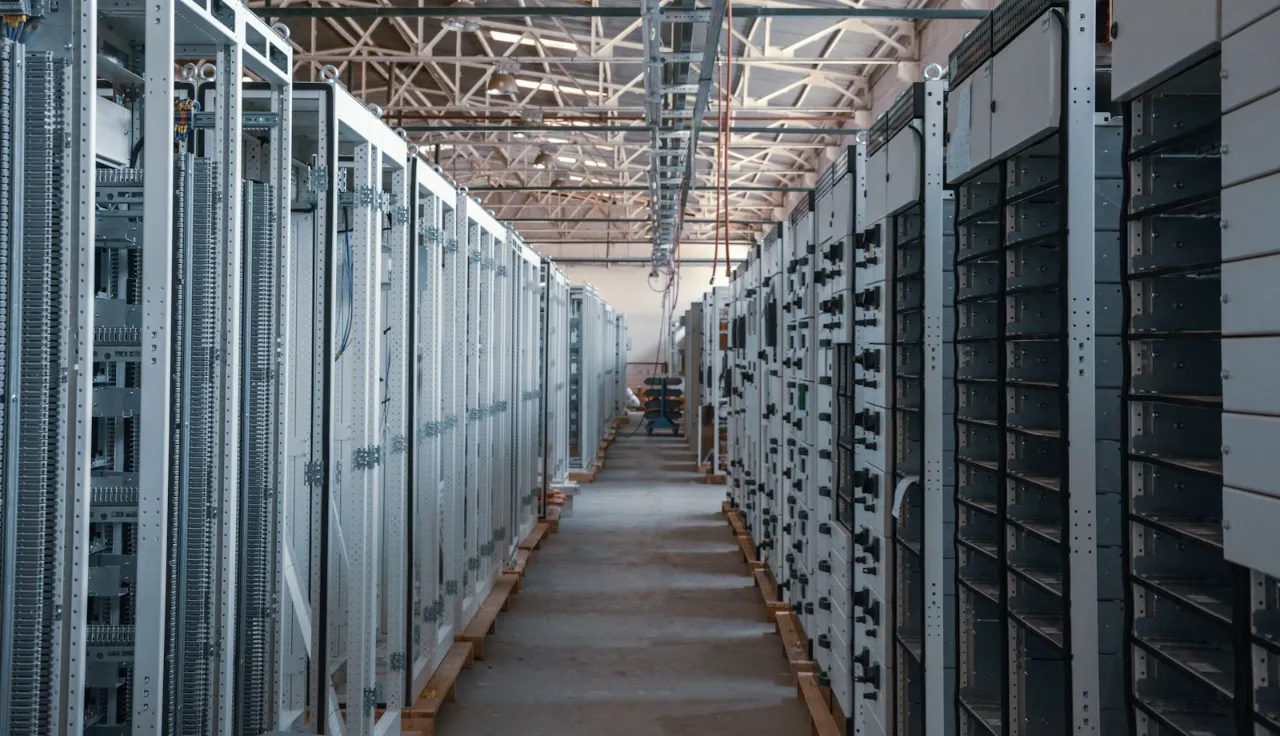
Kemal Sağlam, chief executive of Rönesans Altyapı Sistemleri, the group’s infrastructure arm, said the company is developing a data centre platform with US-based Digital Realty. The first phase of an Ankara campus is planned to have more than 22 megawatts of IT capacity and over 10,000 square metres of white space, with completion targeted for 2028. The full programme could reach 204 megawatts and up to 3 billion dollars of joint-venture investment, and an Istanbul campus is also planned.
What it means for Türkiye’s building sector
Türkiye’s construction industry is under pressure to build more safely and efficiently, from earthquake-driven urban renewal of 2.38 million units to new energy rules. Green and modular methods are still rare on Turkish residential sites, but large contractors adopting them could shape standards for future housing projects. Buyers weighing new-build homes can compare locations in our guide to where to buy property in Türkiye and follow price trends in our report on September house prices.
Sources
Photo: İsmail Enes Ayhan / Unsplash License, via Unsplash