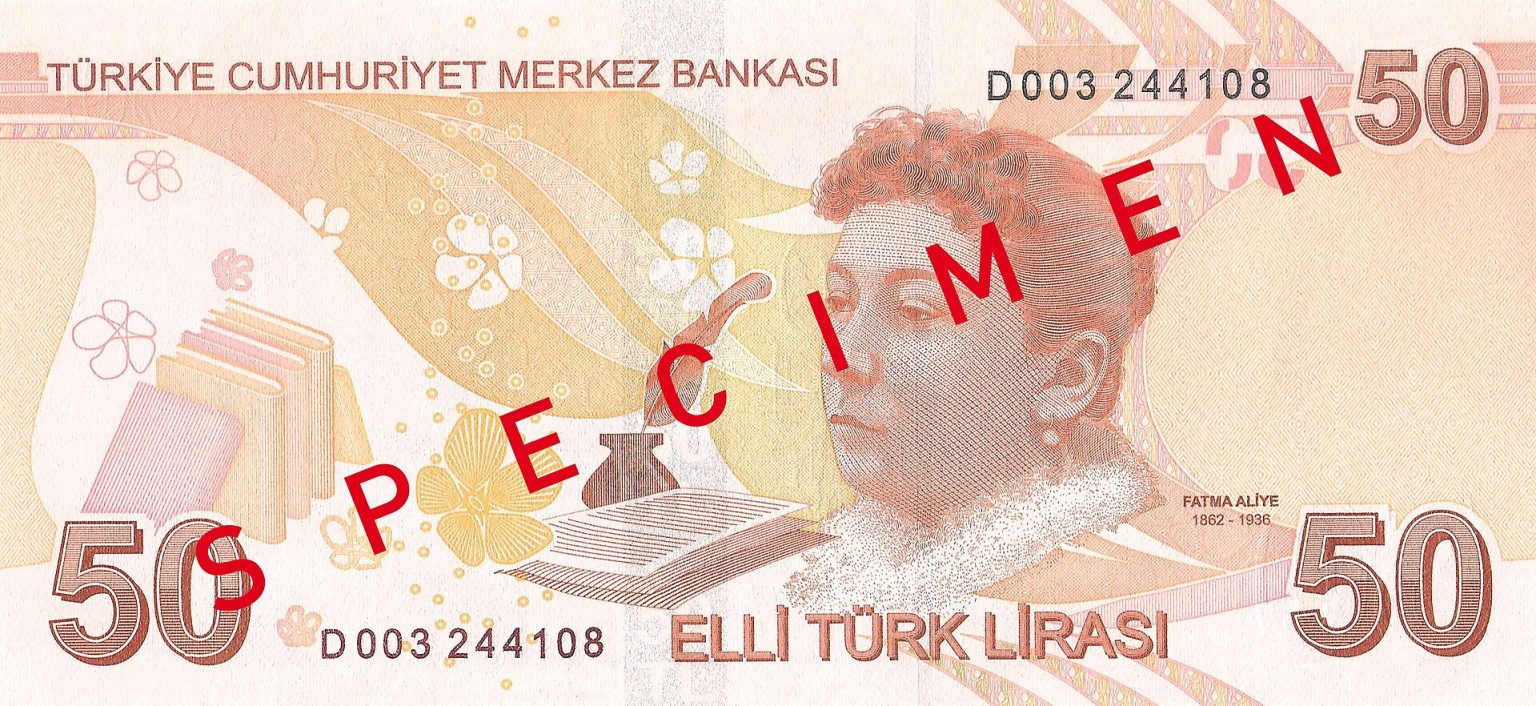

Türkiye's central government budget recorded a surplus of 12.9 billion Turkish liras in August, reversing a large deficit the month before, according to data published by the Treasury and Finance Ministry on September 15.
Budget revenues totaled 1.655 trillion liras in August, slightly exceeding expenditures of 1.642 trillion liras. In July, the budget had posted a deficit of 378.1 billion liras.
Primary balance in the black
Excluding interest payments, the August budget showed a surplus of 209.9 billion liras, with non-interest spending at 1.445 trillion liras. The primary balance is a key gauge of fiscal discipline because it strips out debt servicing costs, which have risen sharply in recent years as Türkiye kept interest rates high to fight inflation.
For the first eight months of 2026, the central government ran a cumulative deficit of 1.308 trillion liras. Total spending reached 12.163 trillion liras against revenues of 10.855 trillion liras. The primary balance over the same period showed a surplus of 680 billion liras.
Full-year projections
The government's 2027-2029 Medium-Term Program, announced in early September, projects a budget deficit of about 2.6 trillion liras for 2026. In terms of economic output, that equals 3.1% of gross domestic product, an improvement from the earlier forecast of 3.5%.
Treasury and Finance Minister Mehmet Şimşek has made fiscal tightening a central pillar of the economic program he has led since mid-2023, arguing that disciplined public finances support the central bank's efforts to bring inflation down. Speaking in Istanbul in October, he said the deficit would have been closer to 2.5% of GDP had the government not used fiscal space to soften the pass-through of higher crude oil prices to consumers.
Monthly budget figures in Türkiye often swing widely because of the timing of tax collections and transfers. Data for September is expected in mid-October.
Sources
Photo: Central Bank of the Republic of Turkey / Public domain, via Wikimedia Commons