
Prices of Turkish exports rose 8.5% year-on-year in August, but the cost of imports increased even faster, causing the country’s terms of trade to deteriorate, data from the Turkish Statistical Institute (TÜİK) showed on Oct. 13.
The export volume index, which tracks quantities shipped abroad, slipped 0.4% compared with August last year, indicating that higher prices rather than larger volumes drove the change in export values.
Fuel prices behind the jump
Among export categories, unit values for fuels showed the steepest increase, rising 47.1% on an annual basis. Crude materials excluding fuels rose 10.9%, food, beverages and tobacco gained 7.4%, and manufactured goods excluding food, beverages and tobacco were up 5.1%.
On the volume side, exports of crude materials excluding fuels increased 19.3% and food, beverages and tobacco rose 1.9%. Fuel export volumes fell 20%, while volumes of manufactured goods, the largest part of Türkiye’s export basket, declined 4.5%.
Import costs climb faster
The import unit value index rose 13.7% year-on-year in August. Fuel import prices climbed 35.9%, crude materials excluding fuels rose 12.5% and manufactured goods were up 7.5%. Unit values for imported food, beverages and tobacco fell 4.2%.
Import volumes dropped 2.8% overall. Within that total, food, beverages and tobacco imports jumped 36.2% in volume terms and crude materials excluding fuels rose 8.3%, while fuel volumes declined 1.6% and manufactured goods slipped 0.5%.
Because import prices outpaced export prices, the terms of trade index, which compares the two, fell to 90 in August from 94.3 a year earlier. A lower reading means the prices Türkiye pays for imports have risen faster than the prices it receives for its exports.
The release underlines the weight of energy in the trade picture: fuels recorded the largest price increases on both the export and the import side in August, while manufactured goods saw lower volumes in both directions.
Sources
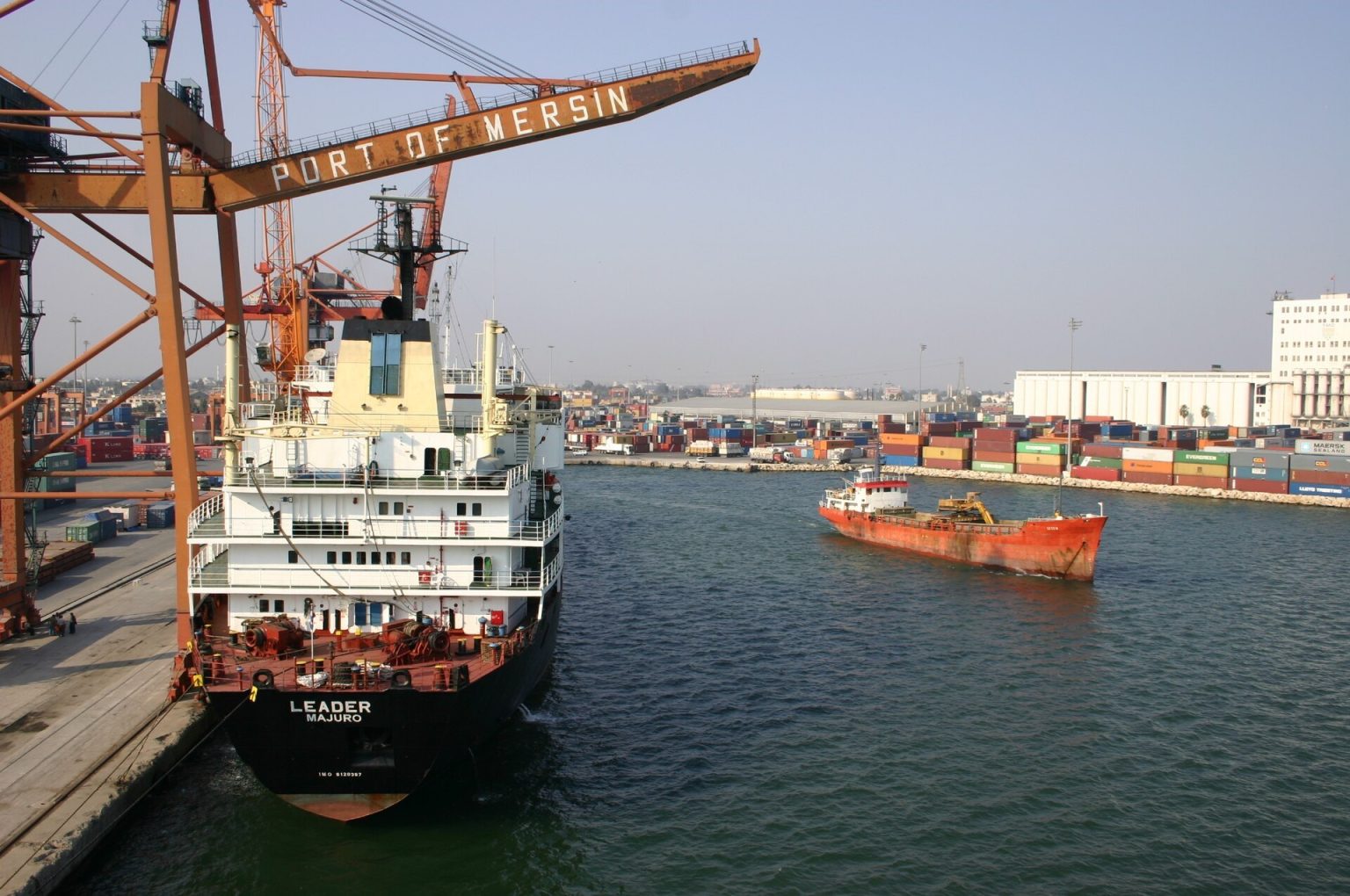
Photo: Niels Johannes / CC BY-SA 4.0, via Wikimedia Commons