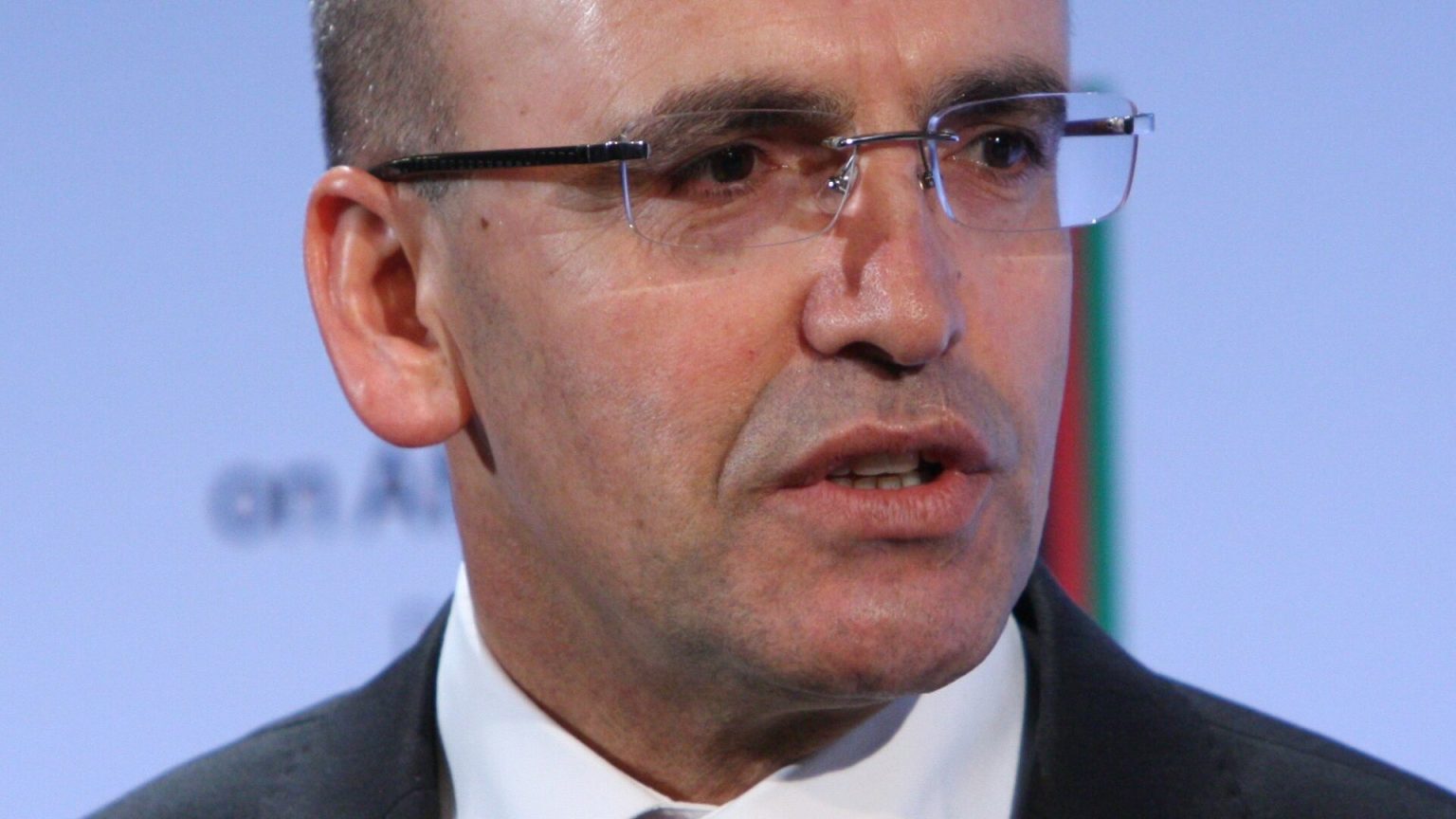

Türkiye is putting macro-financial stability and tight fiscal policy first as it absorbs the shock from the regional war, Treasury and Finance Minister Mehmet Şimşek said on October 8 at the opening of the Istanbul Economic Forum.
The two-day event, organized by the Central Bank of the Republic of Türkiye, brought together central bank governors and policymakers from several countries, including the United States and the United Kingdom.
Disinflation stalled, not abandoned
Şimşek acknowledged that the process of bringing inflation down had largely stalled this year because of the war, but said Ankara was "not giving up." The central bank's inflation target for 2027 is 21%, and he noted that the governor had used both quantitative and selective credit-tightening tools. Annual inflation slipped below 30% in September.
He said the economy had grown slightly above 3%, compared with around 1.5% for Türkiye's trading partners, and that external imbalances had worsened this year but remained manageable. Stress in the asset management sector, a reference to the September collapse of several investment funds, was contained, he said.
Fiscal buffers
Şimşek highlighted Türkiye's fiscal position. The 2026 budget deficit target is 3.1% of GDP, against an average of 5.8% for emerging markets, and he said it would have been closer to 2.5% without the fiscal space used to slow the pass-through of crude oil prices to consumers. Public debt stands at 22% of GDP, and total indebtedness at 91%, compared with an emerging-market peer average of 230%.
He also pointed to structural headwinds facing the global economy, including conflicts, trade protectionism, high debt, unfavorable demographics, climate disasters and artificial intelligence.
Among other points, Şimşek said renewables now provide almost 60% of Türkiye's electricity, the country has 54 free trade agreements with talks under way with Japan, Indonesia, the Gulf Cooperation Council and Canada, and the 2027 budget foresees a large increase in defense spending. He added that reforms are planned to raise women's labor force participation, which remains low.
Sources
Photo: DFID – UK Department for International Development / CC BY 2.0, via Wikimedia Commons