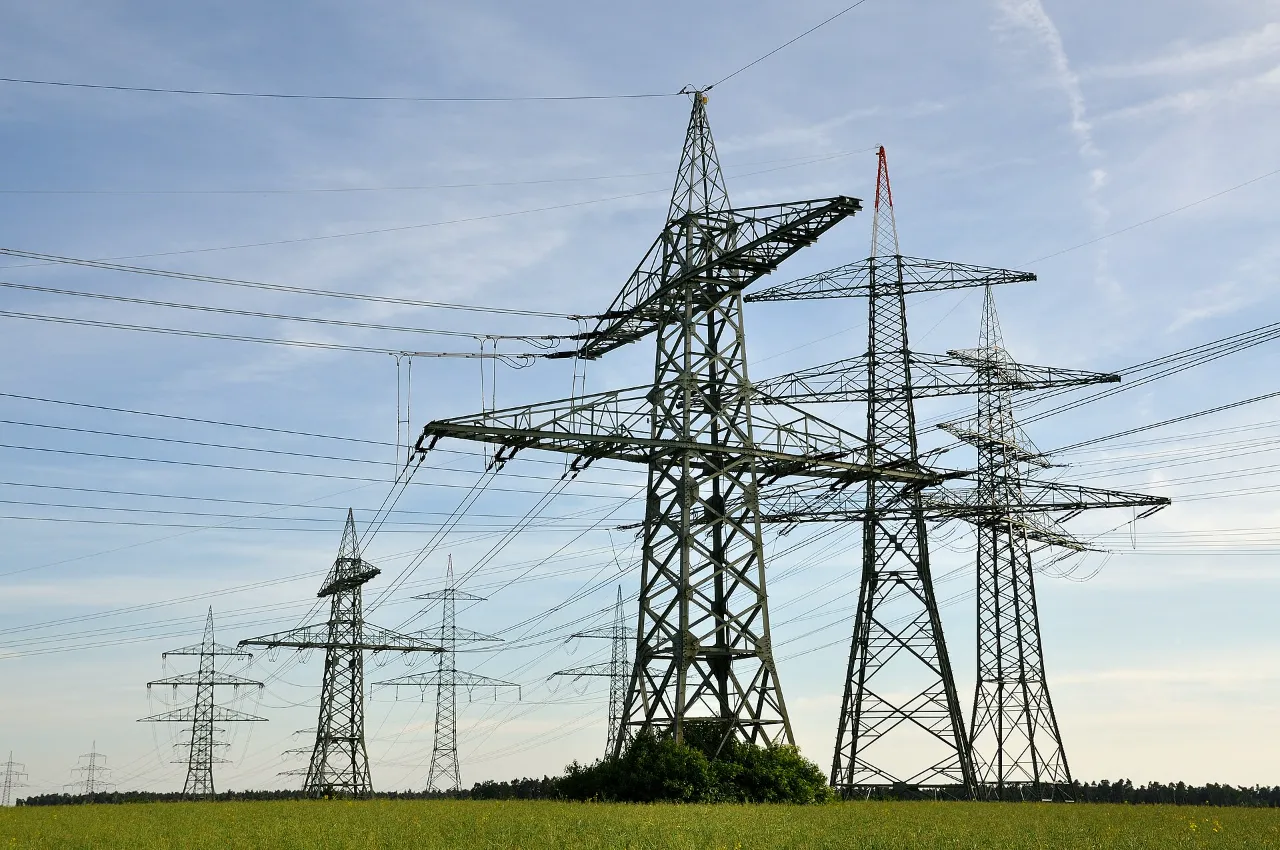

Türkiye plans to invest around $80 billion in electricity transmission and distribution infrastructure by 2035, including the country’s first high-voltage direct current (HVDC) lines, Deputy Energy Minister Nevzat Şatıroğlu said on Tuesday. On the same day Energy Minister Alparslan Bayraktar said the government aims to meet about 70% of the country’s energy needs from renewable sources by 2040.
Grid upgrade and storage
Speaking at the 2nd Energy Strategies Conference organised by the electricity industry association TESAB, Şatıroğlu said Türkiye’s installed power capacity stood at 127 gigawatts (GW) as of August, with renewable capacity reaching 80,000 megawatts (MW), according to Anadolu Agency. HVDC lines carry large amounts of power over long distances with lower losses and are widely used to link remote wind and solar sites to cities.
He said 5 GW of offshore wind capacity is planned by 2035. Energy storage capacity, currently 495 MW, is expected to rise to several thousand megawatts as projects under way are completed. Şatıroğlu also stressed the need to protect digital infrastructure and critical systems against cyberattacks.
Zafer Benli, general manager of state power producer EÜAŞ, linked the work to the 2040 National Energy Plan and a target of raising electrification, the share of electricity in final energy use, to 35% by 2035. Bayraktar first put the grid investment need at about $80 billion in September, when he said it was required to integrate renewables and nuclear power.
‘A very ambitious target’
Addressing the opening of Ankara University’s academic year, Bayraktar described the 70% renewables goal as very important and very ambitious, Anadolu Agency reported. He said the main challenges were rising demand, reducing dependence on imports and meeting climate targets, and cited planned energy efficiency investment of $20 billion over 2024-2030.
Bayraktar said AI data centres would increase demand for uninterrupted electricity, while wider use of electric vehicles would cut oil imports. He said about 4 million households now use domestically produced natural gas, and that the Osman Gazi floating production platform is expected to double Black Sea gas output from 2027. The Gabar oil field in Şırnak produces about 85,000 barrels per day, and Turkish oil and gas activities are planned in Libya and Pakistan, with exploration ongoing off Somalia.
A 53.1 MW solar power plant in Şabanözü, Çankırı province, was also inaugurated at the ceremony.
The plans come ahead of the COP31 climate summit in Antalya, for which Türkiye has been showcasing its climate policies. Analysts have argued that more wind power could save Türkiye $4 billion in gas imports, while big data centre projects such as Rönesans and Digital Realty’s Ankara facility add to future power demand.
For residents, grid and import costs feed through to electricity and gas bills. Our cost of living in Türkiye guide covers typical household utility costs.
Sources
- Elektrik iletim ve dağıtım altyapısına 2035’e kadar 80 milyar dolar yatırım yapılacak (Anadolu Ajansı)
- Bakan Bayraktar: Türkiye, 2040’ta enerjisinin yüzde 70’ini yenilenebilir kaynaklardan sağlamayı hedefliyor (Anadolu Ajansı)
Photo: Simon Koopmann / CC BY-SA 3.0 de, via Wikimedia Commons