
Beekeepers working Muğla’s pine forests have complained that honey made with glucose and sugar syrup is being sold as pine honey, undercutting producers of the genuine article at the height of the autumn harvest, the İhlas News Agency (İHA) reported on Saturday.
The producers say they want their honey, which they say is laboratory tested and free of added sugar, to be valued at its true worth. They also say they will keep producing despite difficult conditions and will work to prevent bee losses.
The world’s pine honey heartland
Pine honey (çam balı) is unlike flower honey. Bees make it from honeydew, a sweet secretion left on Turkish red pine trees by a small sap-sucking insect, so production depends on healthy forests rather than blossoms. According to the İHA report, Muğla accounts for about 92 per cent of the world’s pine honey and 86 per cent of Türkiye’s.
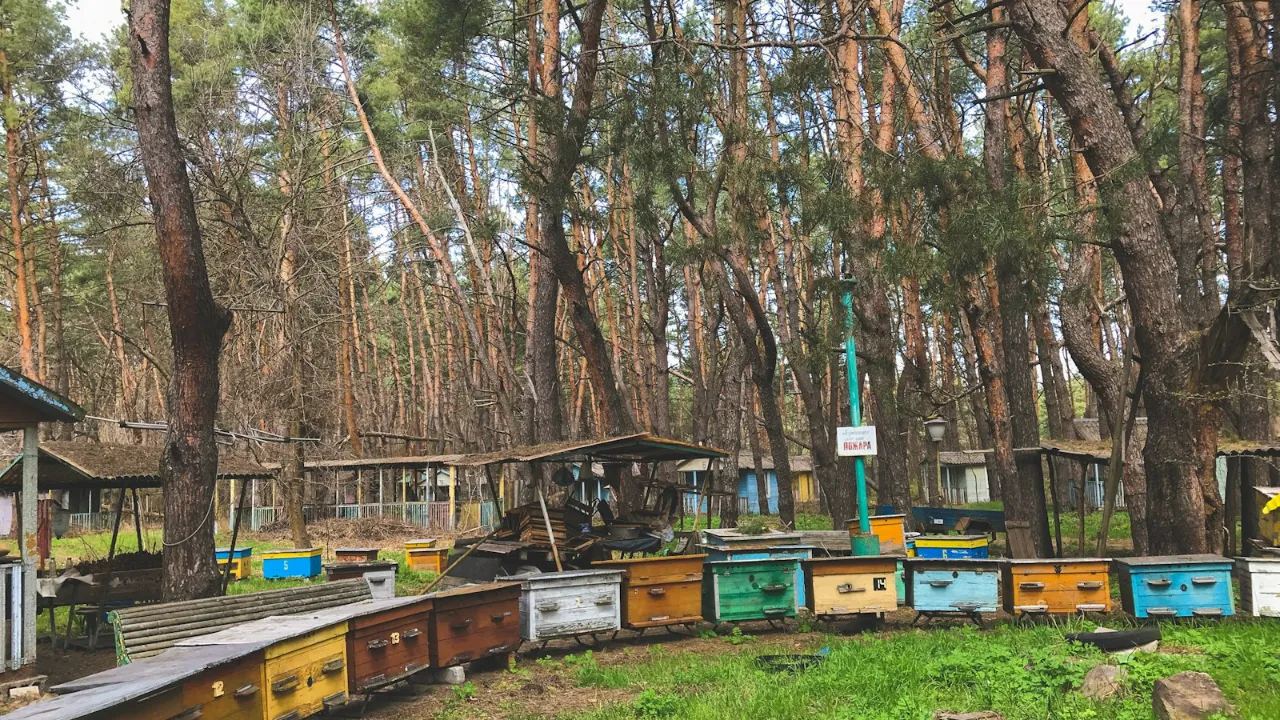
Migratory beekeepers from across the country bring their hives to the province each autumn, joining local producers in districts such as Milas, Menteşe, Marmaris and Köyceğiz. Between September and November, Muğla expects to harvest around 20,000-25,000 tonnes of pine honey from roughly 4 million hives, the agency said.
Output fell to 7,000-8,000 tonnes after 2017, which producers link to climate change, the pandemic and forest fires. Over the past three years the yield has recovered to around 20,000 tonnes, the highest level in five years, according to the report.
Good harvest, poor prices
A beekeeper from Sivas who has brought about 700 hives to Muğla for some 20 years told İHA that production had doubled this year because the bees were healthy. He said, however, that prices did not cover costs, which have been pushed up by diesel prices for moving and running the hives.
Another producer said pure, organic honey was being valued at the same level as sugar-syrup honey. "Unfortunately, the sugar-free organic honey we produce has no value," she was quoted as saying.
The report did not say whether the beekeepers had filed any formal complaint or which sellers they were referring to, and no official response was reported.
What it means for buyers
Pine honey from the province is widely sold in local markets in Fethiye, Bodrum and Marmaris, and many foreign residents buy it directly from producers. The İHA report did not give retail or wholesale prices. Buyers who want reassurance can ask sellers whether their honey has been laboratory tested, as the producers in the report say theirs has been.
Consumer concerns about counterfeit goods are not limited to food: doctors in Antalya recently warned about poisoning cases linked to counterfeit Botox products. Food prices remain a key factor in household budgets, with surveys showing year-end inflation expectations of about 29.6 per cent. For a broader picture of everyday spending, see our guide to the cost of living in Turkey, and for the district itself, our guide to living in Fethiye.
Sources
Photo: Vlad Krytikov / Unsplash License, via Unsplash