
Domestic energy sources generated 70.3% of Türkiye’s electricity in September 2026, Energy and Natural Resources Minister Alparslan Bayraktar announced on Sunday. He said this pushed the country’s import dependence in electricity generation below 30%.
Türkiye produced 31.79 billion kilowatt-hours (kWh) of electricity in September. Of that, 22.35 billion kWh came from domestic sources, meaning resources produced inside the country rather than imported fuels. Renewable sources accounted for 18.10 billion kWh, or 56.9% of the month’s total.
Hydropower still the largest source
Hydroelectric plants remained the single biggest source of power in September, producing 8.27 billion kWh, or about 26% of the total. Solar plants generated 4.32 billion kWh (13.6%) and wind farms 3.84 billion kWh (12.1%). Together, solar and wind supplied 8.16 billion kWh during the month.
The figures were published by the Bigpara economy site, part of the Hürriyet group, and Anadolu Agency also reported the capacity data.
Installed capacity at 127,355 MW
According to the minister’s figures, Türkiye’s total installed power capacity reached 127,355 megawatts (MW) at the end of September. Renewable plants made up 80,315 MW of this, or 63.1%, while plants running on domestic sources accounted for 72.1% of total capacity.
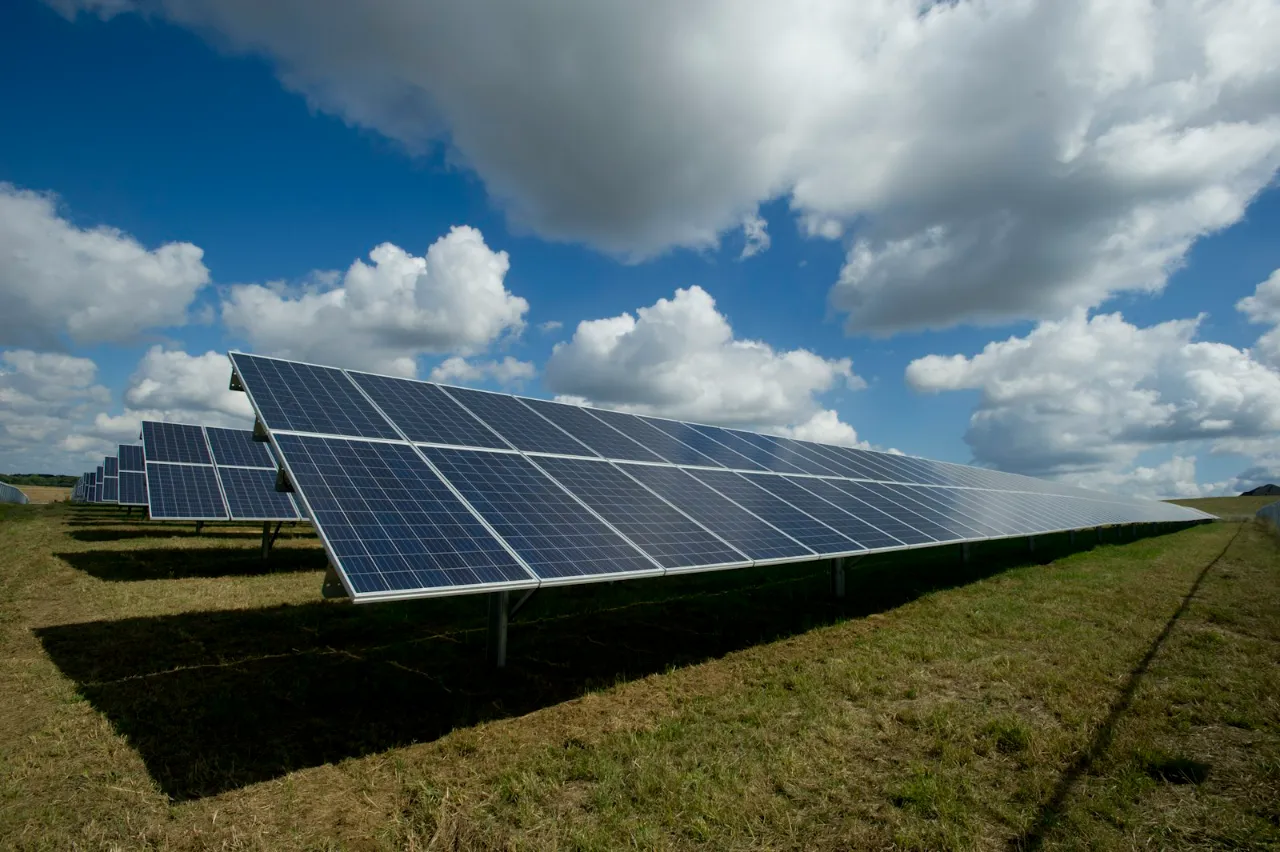
Installed solar power stood at 28,222 MW, or 22.2% of the total, and wind at 15,540 MW, or 12.2%. Combined, solar and wind capacity reached 43,762 MW, just over a third (34.4%) of the country’s installed base.
Installed capacity measures how much power plants could produce at full output, while generation shows what they actually delivered in a given month. That is why solar’s share of capacity (22.2%) is higher than its share of September generation (13.6%): panels produce only in daylight and output varies with the weather.
Why it matters for residents
The minister’s figures point to a growing role for local resources in the power mix. For the longer-term picture, see our earlier report on plans for an $80 billion grid investment by 2035 and a 70% renewables target for 2040.
For households, the more immediate question is tariffs. Our recent report covered why there is no household gas price hike for October and November, but a lower electricity subsidy cap in 2027. Homeowners considering an electric car may also want to read about the planned rules allowing EV charging points in shared areas of detached homes.
For a broader look at monthly household bills, see our guide to the cost of living in Turkey in 2026.
Sources
- Elektrik üretiminde yerli kaynakların payı yüzde 70’i aştı! Bakan Bayraktar açıkladı (Bigpara/Hürriyet)
- Türkiye’nin elektrik kurulu gücü 127 bin 355 megavata ulaştı (AA)
Photo: American Public Power Association / Unsplash License, via Unsplash