
Measles cases in Türkiye have climbed to close to 3,000 and vaccination coverage has slipped below the level needed to stop the virus spreading, a leading infectious diseases specialist has warned, Hürriyet reported on Sunday.
Prof. Dr. Mehmet Ceyhan, president of the Infectious Diseases Association (Enfeksiyon Hastalıkları Derneği), told the newspaper that Türkiye’s measles vaccination rate has fallen to 92%, against the 95% threshold experts regard as necessary to prevent outbreaks. The latest rate reported by the World Health Organization (WHO) for Türkiye is also 92%, according to the report. Ceyhan said coverage had been in the high 90s in 2013.
A steady rise since 2022
The warning follows a sharp increase in recorded infections over the past four years. Based on WHO data cited by Hürriyet and Euronews Türkçe last week, Türkiye recorded about 127 measles cases in 2022, around 500 in 2023, roughly 1,500 in 2024 and about 2,000 in 2025. By October 2026, the count was approaching 3,000.
Measles is one of the most contagious viruses known. Specialists quoted by Hürriyet earlier this month said a single patient can infect 16 to 18 people through droplets, and that adults who catch the disease face a higher risk of severe illness.
Ceyhan said vaccine hesitancy had grown since the COVID-19 pandemic. With coverage at 92%, around 8% of children are left unprotected, making it easier for the virus to reach susceptible people. He also warned of subacute sclerosing panencephalitis (SSPE), a rare and fatal brain disease that can appear seven to ten years after a measles infection. It has not been seen in Türkiye in recent years, he said, but could re-emerge if cases run into the thousands.
He urged authorities to act before a wider outbreak takes hold, pointing out that France, Italy and Ukraine have made vaccination compulsory. Ceyhan also said there is no scientific evidence linking measles vaccines to autism, describing the belief as a result of vaccination and early autism symptoms happening at a similar age.
What it means for residents
In Türkiye the measles-mumps-rubella vaccine (known locally as KKK) is part of the national immunisation schedule and is given free at family health centres (Aile Sağlığı Merkezi). The first dose is given at 12 months and the second at age four to six, usually in the first year of primary school. According to the specialists quoted by Hürriyet, one dose gives about 95% protection and two doses 97% to 99%. The vaccine is not given to pregnant women or people with weakened immune systems.
Foreign families who have moved to Türkiye can check their children’s records with the family doctor they are registered with, and adults unsure of their own immunity may want to ask a doctor, particularly before travelling or starting work in schools or healthcare. For more on access to care, see our explainer on health insurance for foreign residents, the HealthTürkiye health tourism rules and our moving to Turkey checklist.
Sources
- Kızamıkta endişelendiren oran (Hürriyet)
- Vakalar hızla tırmanıyor, sayı binleri aştı (Hürriyet)
- Kızamık salgını: Türkiye’de vakalar 3 bine ulaştı (Euronews Türkçe)
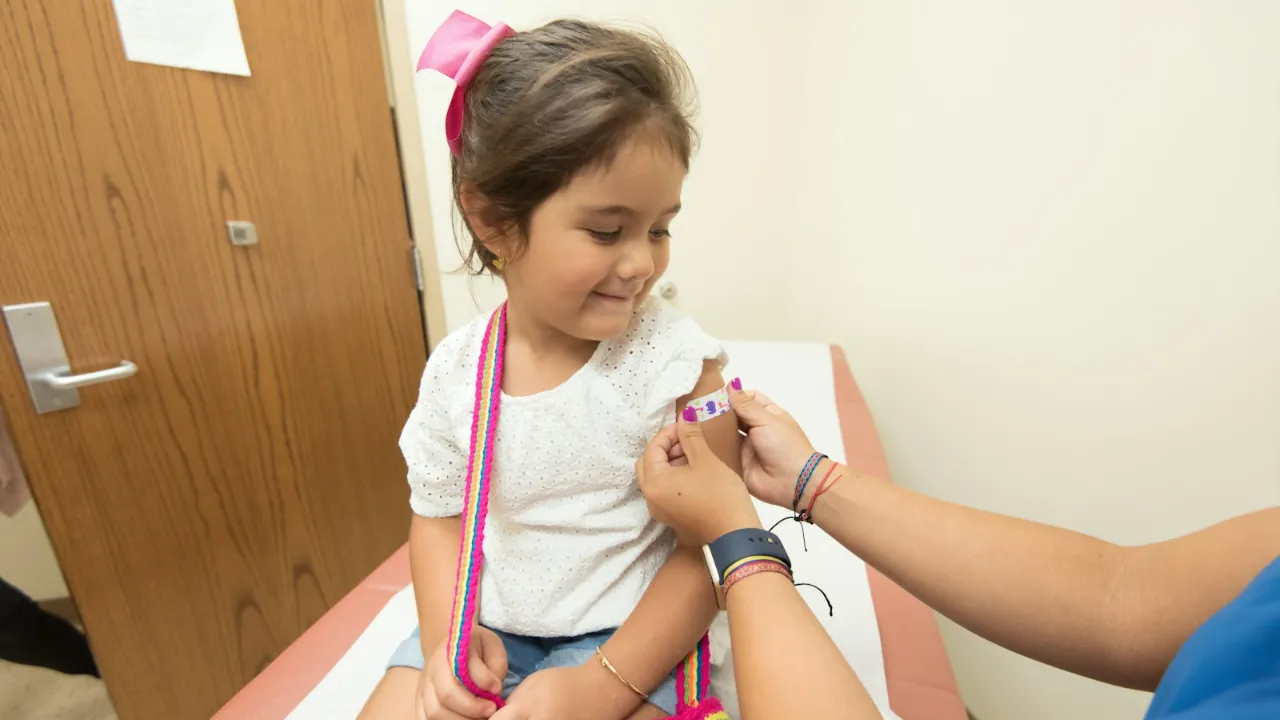
Photo: CDC / Unsplash License, via Unsplash