
Health experts in Istanbul have urged residents of flooded neighbourhoods to avoid tap water until authorities declare it safe and to throw away any food that has come into contact with flood water, as the city cleans up after some of the heaviest rain recorded in four decades.
Flood water can carry sewage, waste, microorganisms and chemicals that contaminate drinking water sources and raise the risk of waterborne infections, said Ahmet Adiller, head of the environmental health programme at Üsküdar University. He called for the drinking water network to be checked and water quality tested after the floods.
Which illnesses to watch for
Family physician Sosin Fisli, citing World Health Organization guidance, said contaminated water and food can spread diarrhoeal diseases, cholera, hepatitis A and E, and typhoid. Leptospirosis, a bacterial infection spread through water contaminated with rat urine, can enter the body through cuts and grazes, and wounds exposed to flood water also carry a risk of skin infection and tetanus. Standing water left behind can help mosquitoes breed.
Adiller noted that boiling kills microorganisms but does not remove chemical pollutants, so water suspected of contamination should not be used at all.
Practical advice
The experts’ recommendations include:
Drink sealed bottled water until the local water utility says tap water is safe; if water must be boiled, keep it at a rolling boil for at least one minute.
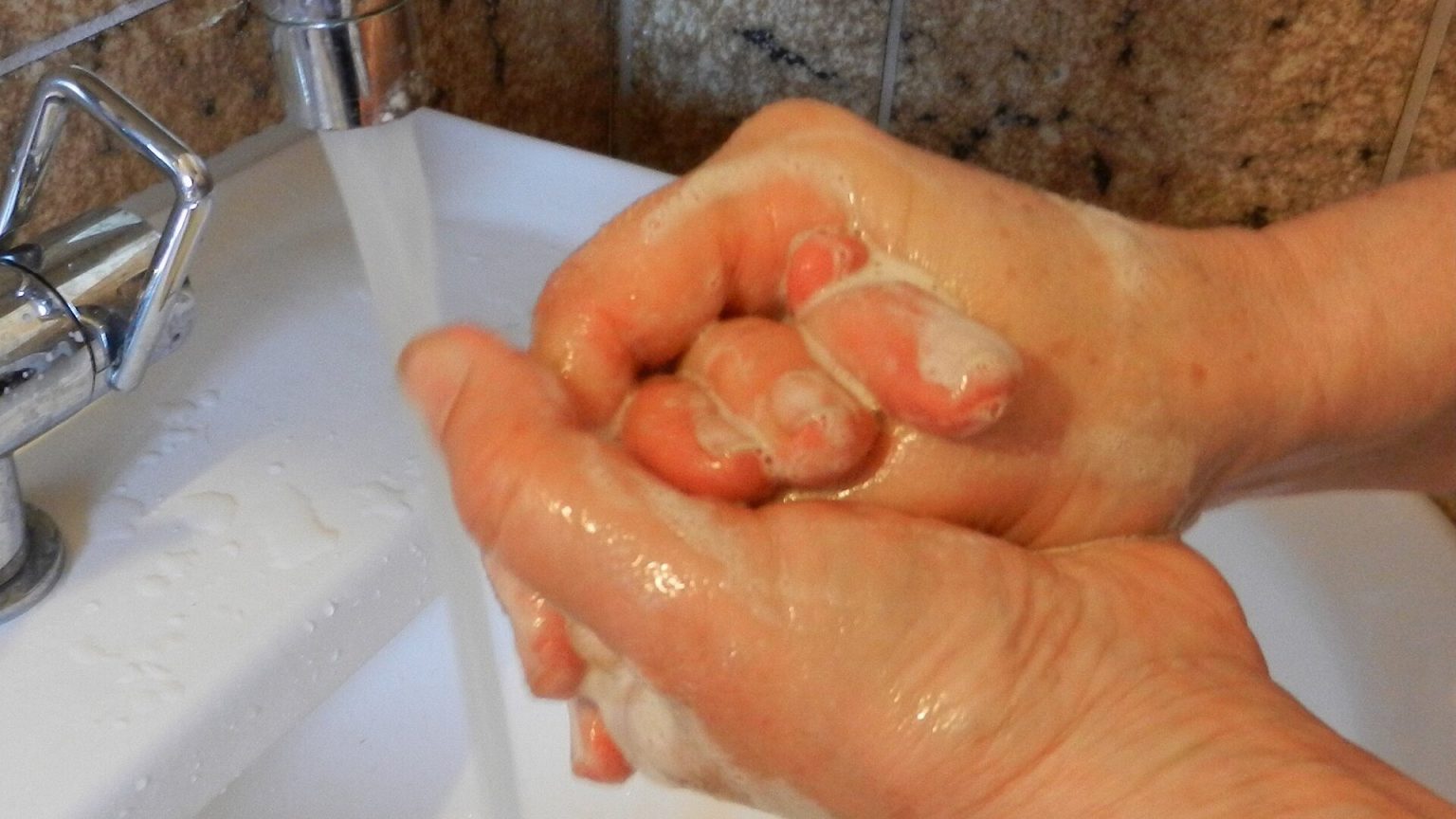
Wash hands with soap and clean water before eating, after using the toilet and after touching mud or flood water; use hand sanitiser if soap is unavailable.
Discard food that touched flood water, as well as cans that are damaged, swollen or rusted.
Keep children away from puddles and standing water.
When to see a doctor
Fisli advised seeking medical care for prolonged or bloody diarrhoea, persistent vomiting, high fever, severe abdominal pain, yellowing of the eyes or skin, or dark urine. Wounds that become red, swollen or foul-smelling, or are accompanied by fever, should also be checked, as should fever, nausea or diarrhoea after swallowing flood water.
In Türkiye, the 112 number covers ambulances, and public hospital and family doctor appointments can be booked through the MHRS system. Foreign residents covered by the state SGK scheme or private insurance can use emergency departments at any hospital. A tetanus booster can be obtained from family health centres.
Sources
- Doktorlar uyardı: Sel felaketi sonrası enfeksiyon tehlikesi (Medyafaresi)
- İstanbul’da rekor yağış sonrası uzman uyardı: Sel suları halk sağlığı için de risk taşıyor (Gazete Pencere)
Photo: Beat Ruest / CC BY-SA 4.0, via Wikimedia Commons