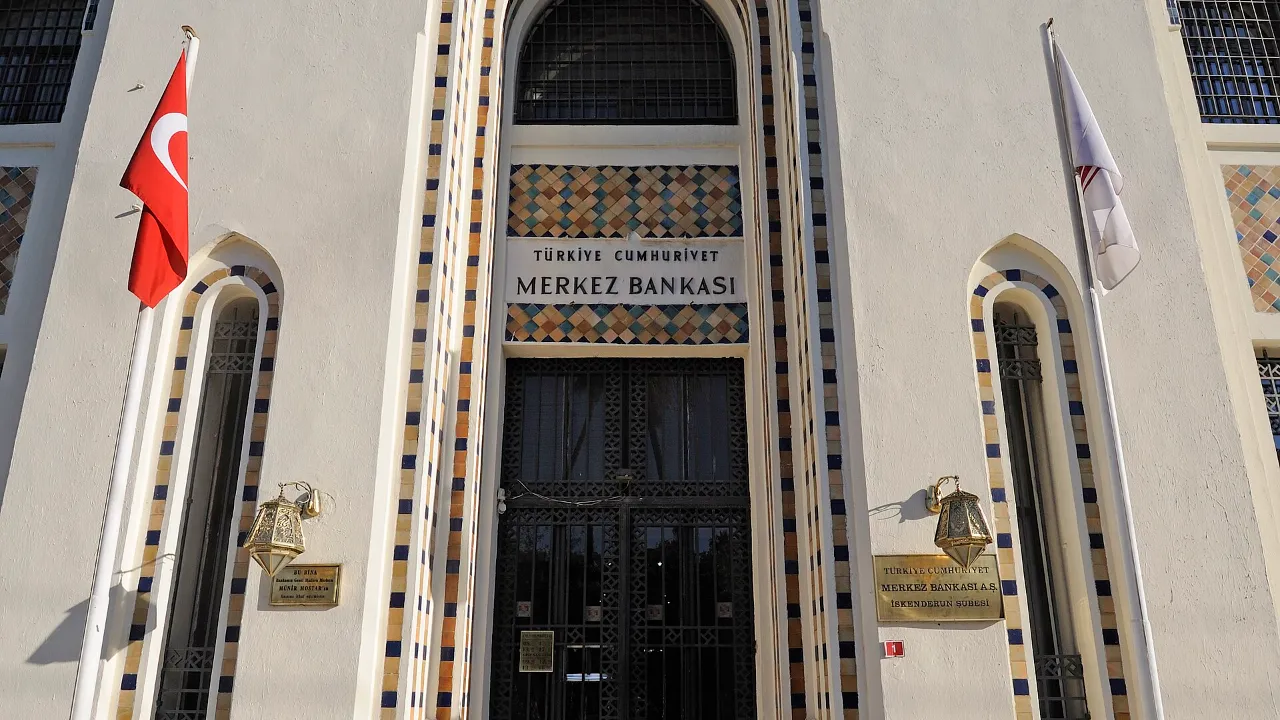

About 3,000 Turkish companies had a combined 116 billion lira invested in the investment funds that the Capital Markets Board (SPK) placed into liquidation in September, according to an analysis published by the Central Bank of the Republic of Türkiye (CBRT) on Wednesday, Anadolu Agency (AA) and Bloomberg HT reported.
The study, titled "Fund Liquidations and the Real Sector: What Does Firm Data Say?", appeared on the central bank’s blog Merkezin Güncesi. It was written by Ünal Seven and Kadir Gürci of the CBRT’s structural economic research department and uses data as of 15 September 2026, two days before the SPK’s liquidation decision of 17 September.
Money market funds account for half
Of the 116 billion lira, 57 billion lira was held in money market funds, 31 billion lira in equity funds and 28 billion lira in other funds, Bloomberg HT reported. AA said the analysis covers firms with fund balances of 1 million lira or more; including smaller holders, the total is 116.2 billion lira across about 4,500 firms.
The firms are not concentrated in any one sector, both outlets said. Bloomberg HT reported a breakdown of 31% in services, 29% in industry, 27% in trade and 13% in construction.
Small share of the economy
The companies with money in the liquidated funds account for about 1.2% of total real-sector assets, 0.6% of employment, 0.9% of turnover, 1.1% of exports and about 0.9% of outstanding commercial loans, AA and Bloomberg HT reported.
The researchers grouped firms by how much of their current assets was tied up in the funds. Companies with more than half of their current assets in the funds make up just 0.03% of employment and turnover and 0.02% of commercial loans, according to both outlets. Suppliers that make more than 5% of their sales to the affected firms account for 1.2% of employment and 1.5% of turnover.
Access to credit continued
Weekly data showed that the affected firms’ share of total short-term lira loans rose after the liquidation decision, indicating that they kept access to bank credit, AA and Bloomberg HT reported. The study linked this partly to steps the CBRT took on 1 October. Average borrowing costs for these firms were slightly higher than for other companies, but the difference was not statistically significant, AA said.
The authors stressed that the findings do not lessen the importance of the liquidity problems the firms face, and that the study does not estimate the total impact of the fund market turmoil on the real economy, both outlets reported.
The liquidation has also hit individual savers, and the state has begun interim payments to investors. Our earlier report covers the 40.8 billion lira paid so far by the fund board.
Sources
- TCMB’den Fon Tasfiyeleri ve Reel Sektör: Firma Verileri Ne Söylüyor? analizi (Anadolu Ajansı)
- Fon gelişmelerinin reel sektör üzerindeki etkisi: TCMB araştırmacıları inceledi (Bloomberg HT)
Photo: Dosseman / CC BY-SA 4.0, via Wikimedia Commons