By using this site, you agree to the Privacy Policy and Terms of Use.
Accept
Turkey Daily NewsTurkey Daily NewsTurkey Daily News
Notification Show More
Font ResizerAa
  • Home
  • Turkey
  • Economy
  • Real Estate
  • Travel
  • Living
  • Culture
  • Health
  • Business
Reading: Study finds Roman bath near Antalya’s Gazipaşa was turned into a wine and olive oil workshop
Share
Font ResizerAa
Turkey Daily NewsTurkey Daily News
  • Turkey
  • Economy
  • Real Estate
  • Travel
  • Living
  • Culture
  • Health
  • Business
Search
  • Home
  • Turkey
  • Economy
  • Real Estate
  • Travel
  • Living
  • Culture
  • Health
  • Business
Have an existing account? Sign In
Follow US
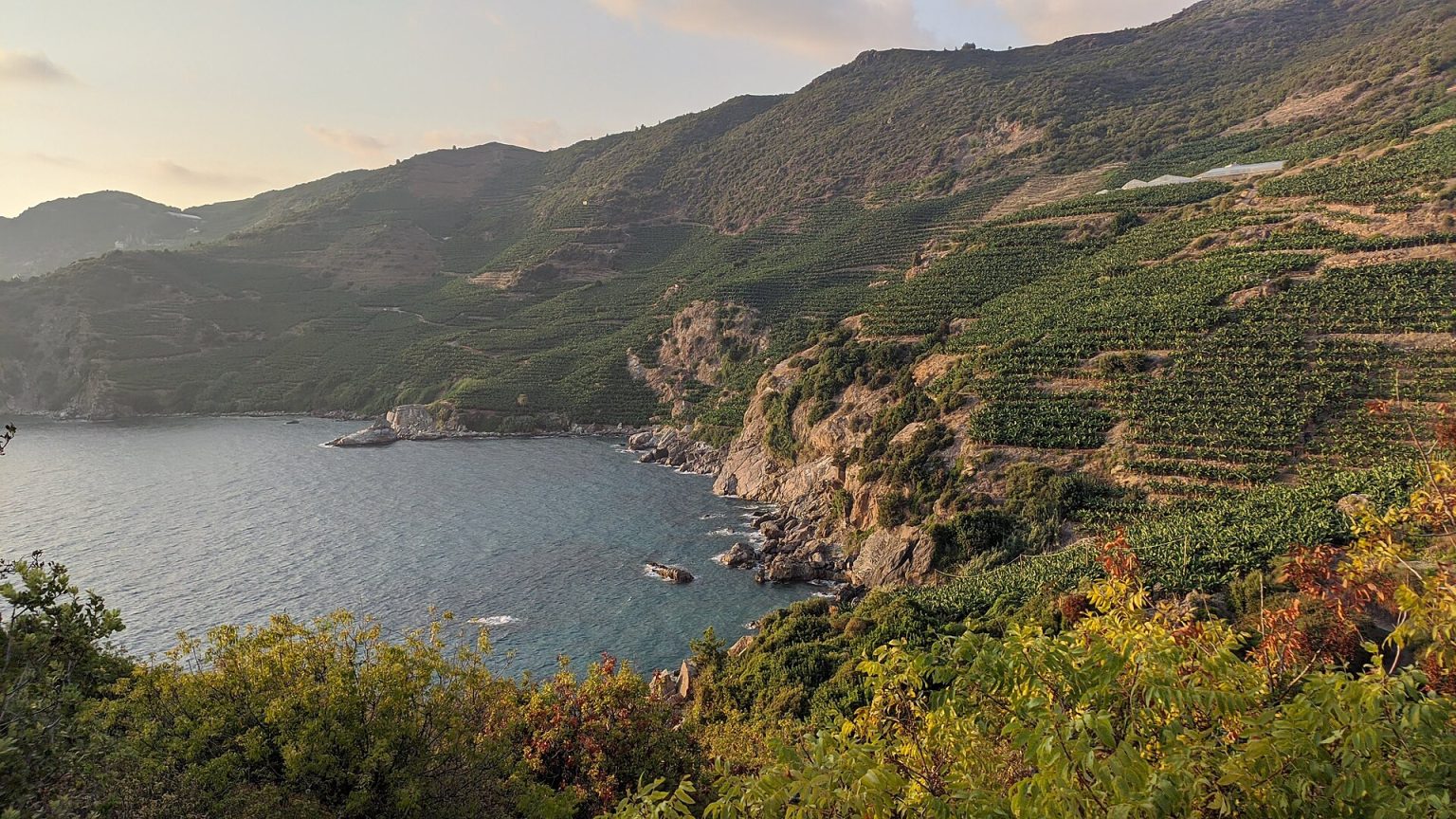
Coastline at Gazipaşa, Antalya
Culture

Study finds Roman bath near Antalya’s Gazipaşa was turned into a wine and olive oil workshop

Turkey Daily News
Last updated: October 13, 2026 3:23 pm
Turkey Daily News
Published: September 27, 2026
Share
Photo: Selçuk Kara / CC BY-SA 4.0, via Wikimedia Commons

SHARE

A small Roman bathhouse on the coast of Antalya province was converted into an agricultural workshop in Late Antiquity, with rooms once used for bathing reused to make wine and probably olive oil, according to a new study.

Contents
  • Treading grapes on a mosaic floor
  • Wine, oil or both
    • Sources

The building, known as the Small Bath, lies at Antiochia ad Cragum, an ancient city in the region historically called Rough Cilicia, within today's Gazipaşa district. It stands roughly 90 meters outside the city's main gate beside the old coastal road. The research, by Emlyn Dodd and Leticia R. Rodriguez, was published in the Journal of Roman Archaeology in 2026 and reported in Türkiye by Arkeofili on Sept. 27.

Geometric mosaics in red, black and white date the construction of the bath to the late 2nd or early 3rd century AD. The authors suggest bathing came to an end not long after the Persian invasion led by Shapur I in the 260s, which struck the coastal cities of Cilicia. Its position outside the walls may have helped ensure it was never restored to its original use.

Treading grapes on a mosaic floor

Sometime between roughly the 4th and 7th centuries, two of the unheated cold rooms were adapted for wine production. One was used for treading grapes, and wear on its mosaic floor suggests repeated trampling. A narrow channel lined with waterproof mortar carried the juice to the second room, where it split between a small basin and a large tank that had once been a plunge pool. The tank, given a new waterproof coating and a drainage pit, could hold about 2,900 liters, far more than a vat found in an older winery set up inside a temple at the same site.

The central hall was divided by a new wall. One side held a stone mill of the type used to crush olives; the other held a large press bed cut from a reused marble block, with drainage channels and a heavy reused counterweight nearby.

Wine, oil or both

The researchers consider a mixed operation, making wine in the cold rooms and oil in the hall, the most likely explanation, since grape and olive harvests fall in different seasons. At least six other mills or press bases have been found across the city, and the authors suggest surplus may have been exported, possibly linked to amphora kilns at the site.

They float a possible connection to the early Church, which was involved in the wine and oil economy of the period, but stress that this is only a hint. Later still, the building served as a Byzantine craft workshop and then as a burial ground, with graves radiocarbon-dated to the 10th and 11th centuries.

Sources

  • Antalya'da Antik Roma Hamamı, Şarap Atölyesine Çevrilmiş – Arkeofili

Photo: Selçuk Kara / CC BY-SA 4.0, via Wikimedia Commons

Hittite royal archive at Kayalıpınar tells of an epidemic, a baby princess and an army under siege
Free Anatolia Opera and Ballet Festival to tour small towns from Midyat to Kadirli in November
Istanbul Archaeological Museums emerge renewed after long restoration
Golden Orange unveils 12 films for national competition, eight of them world premieres
Beneath Türkiye’s seas: how the country became a cradle of underwater archaeology
Share This Article
Facebook Email Print
Leave a Comment

Leave a Reply Cancel reply

Your email address will not be published. Required fields are marked *

Follow US

Find US on Social Medias
FacebookLike
XFollow
YoutubeSubscribe
TelegramFollow

Weekly Newsletter

News tips and corrections: info@turkeydailynews.com
Popular News
Panoramic view over Fethiye and its bay
Living

Buying property in Turkey as a foreigner: the key steps explained

Turkey Daily News
Turkey Daily News
October 13, 2026
Turkey welcomed 34.8 million foreign visitors in the first eight months of 2026
Foreigners bought 1,949 homes in Turkey in August as Russians stay on top
Turkey’s central bank meets on October 22 with rates on hold at 37%
Turkey’s annual inflation eases to 29.73% in September, below expectations
- Advertisement -
Ad imageAd image
Global Coronavirus Cases

Confirmed

0

Death

0

More Information:Covid-19 Statistics

Categories

  • Economy
  • Turkey
  • Travel
  • Real Estate
  • Science
  • Technology
  • LifeStyle
  • Marketing

About US

Turkey Daily News brings you news, analysis and practical guides from Turkey in English: economy, real estate, travel and everyday life.
Quick Link
  • Contact Us
  • My Bookmarks
  • All News
  • About Us
  • Editorial Policy
  • Terms of Use
  • Privacy Policy
Top Categories
  • Contact Us
  • My Bookmarks
  • All News
  • About Us
  • Editorial Policy
  • Terms of Use
  • Privacy Policy

Get in Touch

News tips and corrections: info@turkeydailynews.com

Turkey Daily NewsTurkey Daily News
Welcome Back!

Sign in to your account

Username or Email Address
Password

Lost your password?