
A villa garden on the Turquoise Coast can survive a few weeks alone, but not a whole season, and many owners in Fethiye, Kalkan, Kaş and Antalya spend months away. This guide explains what gardeners and landscapers (bahçıvan, peyzaj firması) usually do, the seasonal jobs in a Mediterranean garden, what to put in writing, how to think about water, and the rules on cutting olive trees, as of November 2026.
This is general information, not legal or horticultural advice. For a specific tree, parcel or permit, ask the provincial or district directorate of agriculture and forestry (İl or İlçe Tarım ve Orman Müdürlüğü).
Key points
- Gardeners usually handle routine care, such as mowing, pruning, weeding, irrigation checks and leaf clearing. Landscapers design and build new gardens, paths, planting schemes and irrigation systems.
- Agree the scope, number of visits per month, who buys plants and materials, and how you will be invoiced in writing before work starts.
- Uprooting an olive tree in an olive area requires permission from the Ministry of Agriculture and Forestry under Law No. 3573. Cutting without permission brings an administrative fine per tree.
- In Antalya, the water utility ASAT has cancelled temporary subscriptions found to be used for watering gardens with drinking water.
- Report suspected red palm weevil damage to your provincial or district agriculture directorate.
What gardeners and landscapers do
Regular maintenance typically covers mowing, hedge trimming, weeding, pruning, clearing leaves and storm debris, and checking drip lines and sprinklers. Pool cleaning is usually a separate service.
Landscaping projects include garden design, soil preparation, planting, paving and stone walls, lighting, and installing automatic irrigation. Our guide to building a swimming pool and garden in Muğla covers setbacks, shared gardens in apartment complexes, and drought-tolerant planting.
Seasonal tasks in a Mediterranean garden
Autumn and winter are the main planting season on the coast. Cooler weather and rain help new shrubs and trees establish before summer. Typical jobs:
- reduce or switch off irrigation once regular rain begins;
- clear drains and channels before heavy rain;
- stake young trees against winter winds;
- remove fallen fruit and leaves that can harbour pests.
Citrus. A Ministry of Agriculture research institute brochure on citrus pruning says that all citrus except lemons should be pruned in winter. For lemons, it recommends tip pruning between mid-October and early November and warns that later pruning after the winter harvest removes buds for next year’s crop. It also advises disinfecting tools before use.
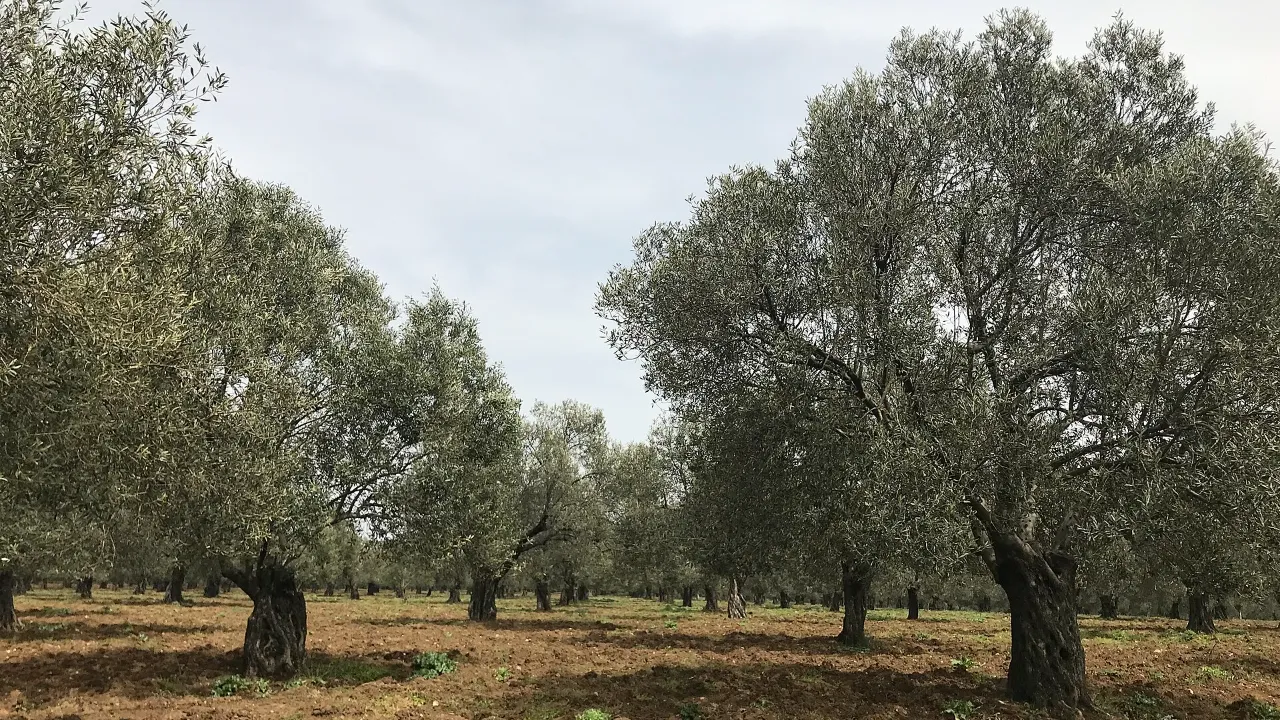
Olives. A brochure from the ministry’s Yalova horticulture research institute gives the second half of March to the end of April as the best pruning period, with production pruning every year and no heavy cuts unless needed.
Pests. The same olive brochure names the olive fly (zeytin sineği) as a main pest and describes monitoring fruit before deciding on treatment. For palms, the ministry warns about the red palm weevil (kırmızı palmiye böceği), whose larvae tunnel inside the trunk. Signs include holes leaking brown sap, chewed or holed fronds and yellowing, drooping leaves. The ministry asks people to contact the provincial or district agriculture directorate immediately, not to move infested plants, and to use only products listed in its plant protection database.
Water use
Water is the biggest constraint in a coastal garden. In Antalya, NTV and İnternethaber reported in July 2024 that ASAT inspection teams were drawing up reports on holders of temporary drinking-water subscriptions, mainly in rural and highland areas, who used the supply to water gardens, and that their subscriptions were being cancelled. Check what type of subscription your property has before installing irrigation.
A leaking drip line or a stuck valve can run unnoticed for weeks while you are away. Choose drought-tolerant plants, keep lawns small, use drip irrigation on timers, and ask your gardener to check the water meter on each visit.
Cutting trees: the olive rule
Türkiye protects olive trees under Law No. 3573 on the improvement of olive growing (Zeytinciliğin Islahı ve Yabanilerinin Aşılattırılması Hakkında Kanun). Article 20, in the consolidated text published by Lexpera, says olive areas may not be reduced, uprooting olive trees in these areas requires the ministry’s permission based on technical grounds, and even then a tree may not be cut or uprooted unless there is a definite need. Anyone who cuts or uproots trees without permission faces an administrative fine per tree.
A legal summary on the Hukukçular Evi website says the fine amount is revalued every year and that paying it does not end the obligation to replant. It says the ministry takes the views of its research institutes and the local chamber of agriculture before deciding. It also says the tree rules refer to registered olive areas (zeytinlik sahası) and advises asking the provincial agriculture directorate in writing whether a parcel falls within one. Whether a few olive trees in a private garden are covered is not spelled out, so ask the directorate before any olive tree is cut or moved, and keep the answer in writing.
For other trees, especially on land bordering forest, in a protected area or in a shared garden, ask the municipality, your site management or the relevant directorate before major felling. Do not rely on a contractor’s assurance.
What to agree in writing
A short written agreement, even by email or messaging app, avoids most disputes. Cover:
- Scope: which areas and tasks are included, and what counts as extra work, such as tree surgery, storm clean-up or replanting.
- Visits: how many visits per month in summer and in winter, roughly how long each visit lasts, and how you will be told a visit took place, for example with dated photos.
- Plants and materials: whether the gardener buys plants, fertiliser and irrigation parts and charges you with receipts, or you buy them.
- Green waste: how cuttings will be removed and where they will go.
- Payment and invoicing: the monthly fee or day rate, when it is paid, and whether the provider issues an invoice (fatura).
- Access: who holds keys or gate codes.
- Notice: how either side can end the arrangement.
If you employ someone directly and regularly at your home rather than using a firm, social security rules may apply. Our home cleaning services guide explains the basics.
Hiring checklist
- Ask neighbours, site managers and owners’ groups for names, and look at gardens the provider already maintains.
- Get at least two quotes for the same written scope.
- Ask which pesticides, if any, they use.
- For landscaping projects, ask for a drawing, a materials list and a timetable before paying a deposit.
- Start with a trial month before committing to a season.
You can also find garden and landscaping services on ilan.com.tr and compare providers in Muğla and Antalya. Our guide to finding a reliable tradesman in Türkiye has more tips on checking firms and agreeing prices.
FAQ
Q: When should I plant in Fethiye or Antalya? A: Autumn and winter, when rain helps new plants establish before the summer heat.
Q: Can I cut down an olive tree in my garden? A: Do not do so without checking first. Law No. 3573 requires ministry permission to uproot olive trees in olive areas and sets a per-tree fine for unauthorised cutting. Ask the provincial or district agriculture directorate in writing.
Q: What should I do if my palm tree looks sick? A: Contact the provincial or district agriculture directorate. The ministry warns that red palm weevil damage is hard to spot early and that infested plants should not be moved.
Conclusion
A well-run garden needs a clear agreement, a seasonal plan and someone who checks the irrigation and the water meter while you are away. Be cautious with olive trees and get written answers before anything is cut. When you are ready to hire, compare local gardeners and landscapers listed on ilan.com.tr and ask each one for a written scope and monthly price.
Sources
- Zeytinciliğin Islahı ve Yabanilerinin Aşılattırılması Hakkında Kanun No. 3573 (Lexpera, consolidated text)
- Zeytinlik alanlarında yapılaşma ve 3573 sayılı Kanun (Hukukçular Evi)
- İçme suyuyla bahçe sulayanlar dikkat! Abonelikleri iptal edilecek (NTV)
- Antalya’da içme suyuyla bahçe sulayanların aboneliği iptal ediliyor (İnternethaber)
- Turunçgillerde Budama (T.C. Tarım ve Orman Bakanlığı, Batı Akdeniz Tarımsal Araştırma Enstitüsü)
- Zeytin (T.C. Tarım ve Orman Bakanlığı, Atatürk Bahçe Kültürleri Merkez Araştırma Enstitüsü, Yalova)
- Palmiye Kırmızı Böceği broşürü (T.C. Tarım ve Orman Bakanlığı)
Photo: Maurice Flesier / CC BY-SA 4.0, via Wikimedia Commons