
Alpay Nazikioğlu, the singer known simply as Alpay whose career helped shape Turkish pop music from the 1960s onwards, has died at the age of 91, Turkish media reported on Oct. 14.
He died at Medical Park Antalya Hospital, where he had been receiving treatment for some time, according to Anadolu Agency. Hürriyet reported that he had suffered from age-related health problems and organ failure. He had spoken publicly about his health problems in a 2024 interview.
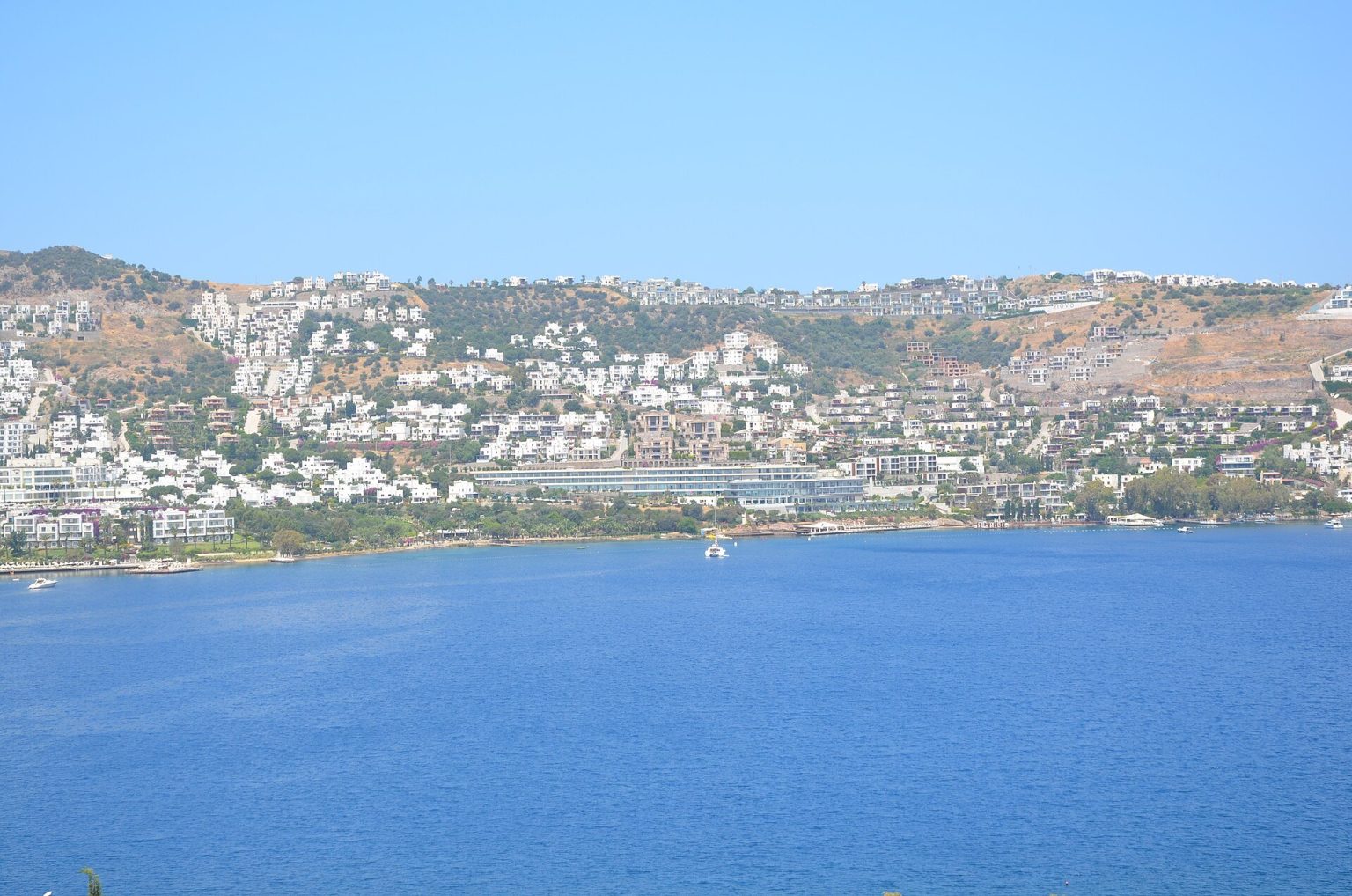
Alpay spent most of the year in the Gündoğan neighbourhood of Bodrum, the Aegean resort town in Muğla province, where he lived with his wife. Anadolu Agency said he would be buried in Gündoğan.
From the football pitch to the stage
Born in Ankara in 1935, Alpay attended Ankara Atatürk High School and graduated from Ankara University’s Faculty of Law. As a young man he played football for the Ankara clubs Demirspor and Gençlerbirliği and was called up to Türkiye’s youth national team.
He chose music over law and sport, launching his professional career in the early 1960s. In 1964 he released his first single and set up his own orchestra.
Turkish versions of foreign hits
Alpay became known for performing Turkish adaptations of French chansons and Neapolitan songs, a style that was central to the birth of Turkish pop in the 1960s and 1970s. He also sang in English, Spanish, French and Italian, and one of his albums was titled "7 Dilde Alpay" (Alpay in Seven Languages).
Over the following decades he experimented with romantic ballads, rock and Anatolian pop, worked with the influential group Üç Hürel, blended Latin rhythms into Turkish pop and set some poems by Attilâ İlhan to music. He released more than 20 albums.
His best-known songs include "Eylülde Gel" (Come in September), "Fabrika Kızı" (Factory Girl), "Gitme" (Don’t Go), "Ayrılık Rüzgarı" and "Kara Tren", many of which remain staples of Turkish radio and nostalgia playlists. He also recorded the duet "Sessiz Kalma" with singer Işın Karaca.
Tributes
Bodrum Mayor Tamer Mandalinci told Anadolu Agency he was deeply saddened by the news and offered condolences to the arts community and to Alpay’s fans. Musician Bora Gencer, who announced the death on social media, wished God’s mercy upon the singer and patience to his family and loved ones.
For listeners outside Türkiye, Alpay’s catalogue offers a window into the era when Turkish musicians reworked Western pop and chanson into a local idiom, laying the ground for the country’s vibrant pop industry today.
Sources
- Usta sanatçı Alpay hayatını kaybetti (Hürriyet)
- Antalya’da tedavi gören şarkıcı Alpay hayatını kaybetti (Anadolu Ajansı)
- Türk pop ve romantik müziğinin sesi: Alpay (Anadolu Ajansı)
Photo: Şadi Bora Karamanoğlu / CC BY-SA 4.0, via Wikimedia Commons