
Türkiye’s state Meat and Milk Board (ESK) is now the only body authorised to import both milk powder and butter, a role the government gave it in 2026 to curb the speculative price swings seen in late 2025, its general manager told a parliamentary committee, according to reports published on Oct. 13.
ESK General Manager Mücahid Taylan presented the institution’s 2023-2024 accounts to parliament’s State Economic Enterprises Committee, which approved them. The same day, the Ministry of Agriculture and Forestry announced the purchase price for the 2026-2027 sugar beet crop.
Imported beef to steady prices
Taylan said population growth, the climate crisis, natural disasters, epidemics, geopolitical tensions and recent wars in the region had made food supply less stable, requiring state intervention to keep markets in balance.
ESK began importing beef cuts and carcasses in 2023 to stabilise red meat prices, which have been among the fastest-rising items in Turkish household budgets. According to figures reported by Anadolu Agency, it put around 60,000 tons on the market in 2023, about 100,000 tons in 2024, about 90,000 tons in 2025 and about 100,000 tons so far in 2026. The meat is sold through supermarket chains, meat processors and industrial caterers in Istanbul and Ankara.
The board has also been authorised to supply breeding animals and has launched an income-guaranteed cattle fattening scheme this year. Under that model, animals are bought from producers at a set price and the buyback price is updated monthly in line with inflation, which is meant to reduce the risk for farmers.
Milk surplus turned into powder
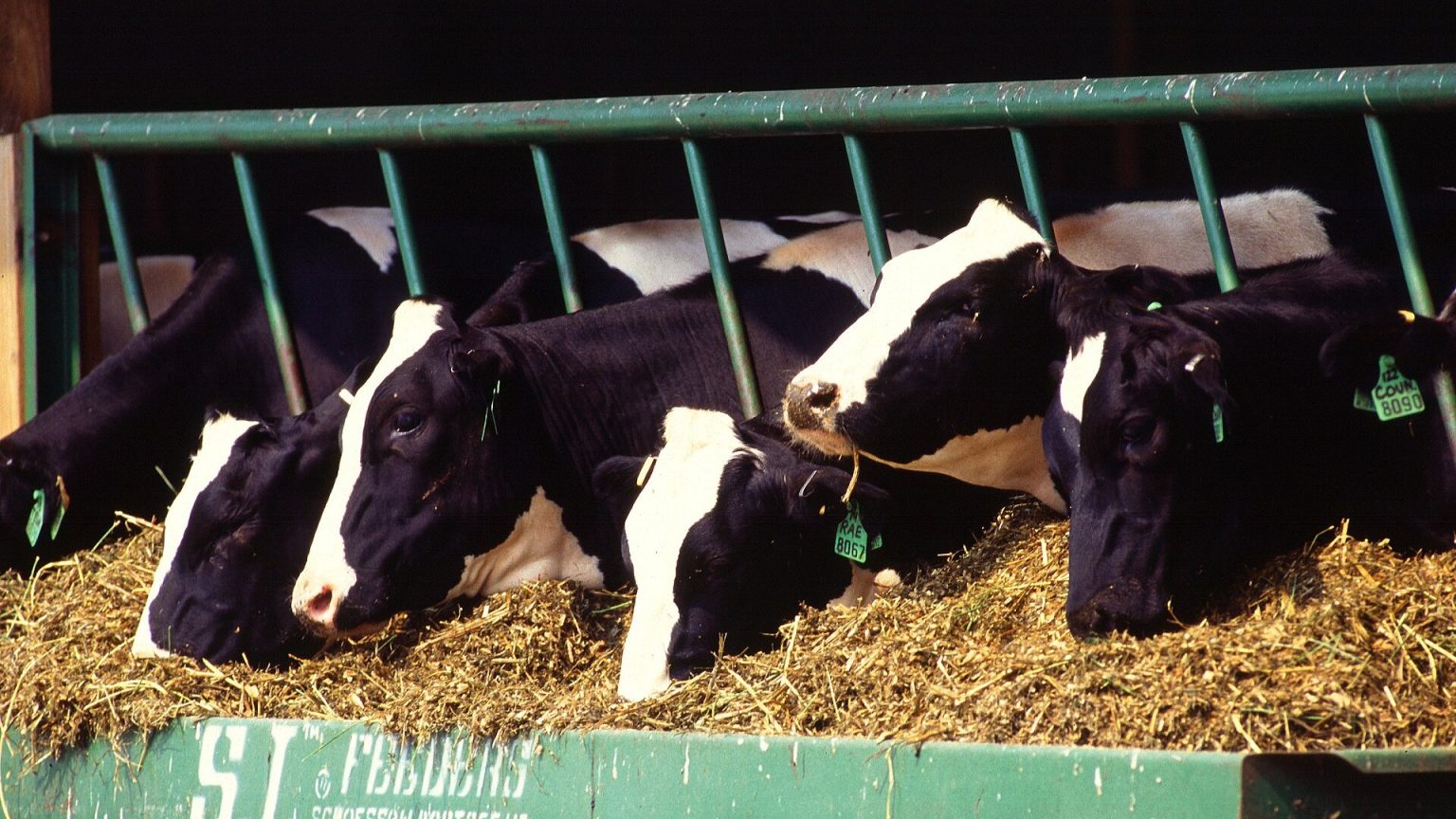
When raw milk is in surplus, ESK buys it at the price set by the National Milk Council and turns it into milk powder. Butter and cream purchases were added to these operations last year. Taylan said producers had received 6 billion lira in payments under these operations. Most of the milk powder is exported, while stabilisation stocks are sold to dairy processors and biscuit and chocolate makers.
Sugar beet price announced
Separately, the agriculture ministry said on social media that the purchase price paid by state sugar producer Türkşeker for the 2026-2027 sugar beet crop would be 3,720 lira per ton, including the quota completion premium. The ministry described contract farming of sugar beet as a purchase guarantee for growers and stressed the crop’s role in the sugar industry’s supply chain.
Why it matters
Food prices remain a key driver of inflation in Türkiye, where annual consumer inflation was 29.73% in September. State bodies such as ESK, the Turkish Grain Board (TMO) and Türkşeker play a larger role in agricultural markets than in many European economies, buying from farmers at announced prices and using imports and stock releases to try to limit price spikes.
Critics in the farming sector have long argued that imports can undercut domestic livestock breeders, while consumer groups say they help keep supermarket prices in check. The government has pursued both imports and support for domestic herds as it tries to bring food inflation down.
Sources
- Süt tozu ve tereyağında yeni dönem (Dünya / AA)
- Tarım ve Orman Bakanlığı duyurdu: Şeker pancarında alım fiyatı belli oldu (Dünya / AA)
Photo: Unknown / Public domain, via Wikimedia Commons