
Construction output in Türkiye rose 2.3% in August from a year earlier, data from the Turkish Statistical Institute (TÜİK) showed on Thursday, though the increase was driven by infrastructure rather than housing and other buildings.
On a monthly basis, the construction production index, which uses 2021 as its base year, rose 4.0% compared with July.
Infrastructure leads, buildings lag
The breakdown showed a sharp divergence between sub-sectors. Output in non-building structures, which covers roads, railways, bridges, pipelines and other civil engineering projects, jumped 21.8% from a year earlier and 2.2% from the previous month.
Building construction, which includes residential and commercial projects, fell 0.9% year on year, the only sub-sector to decline, although it posted the strongest monthly gain at 4.5%.
Specialised construction activities, such as demolition, site preparation, electrical and plumbing installation and finishing work, were almost flat on an annual basis with a 0.1% rise, but grew 3.8% from July.
Mixed signals for the housing market
The data come amid other signs of a slowdown in private building activity. An index tracking ready-mixed concrete activity slipped to 98 in September, below the 100 threshold that separates expansion from contraction, according to the sector association.
High borrowing costs have weighed on developers and buyers alike, with the central bank’s policy rate at 37% and mortgage rates well above what most households can afford. Housing sales have relied heavily on cash buyers.
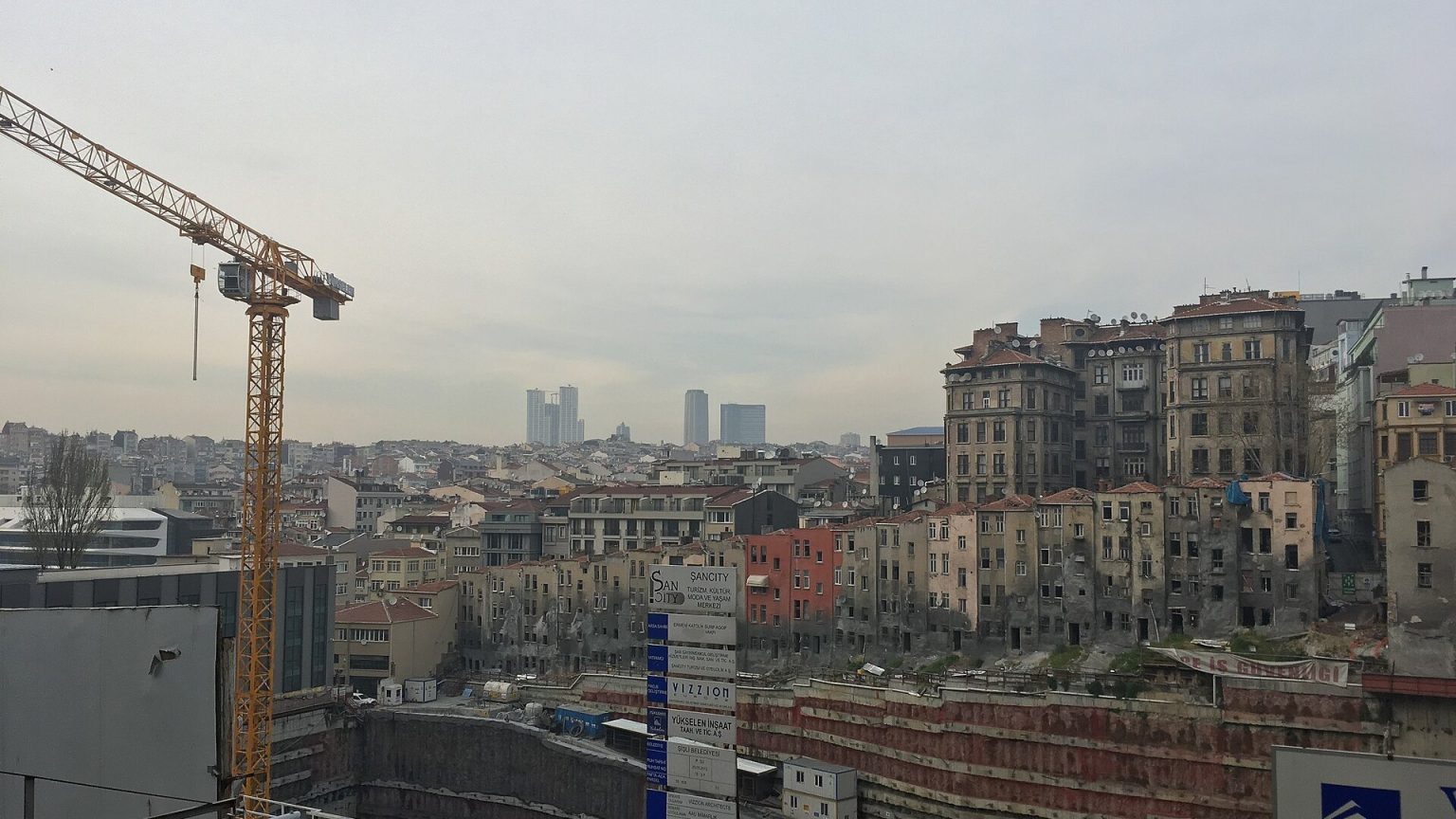
At the same time, state-led building continues on a large scale. The mass housing agency TOKİ said it completed more than 10,500 social housing units in 19 cities in September, while reconstruction in the region hit by the February 2023 earthquakes and urban renewal in Istanbul continue to support demand for materials and labour.
For foreign buyers and investors, a weaker pace of new private construction may limit the supply of new-build homes in popular areas over the medium term, while the pipeline of public infrastructure projects, such as new rail links and roads, can raise the appeal of locations that gain better transport connections.
Sources
Photo: Sami Mlouhi / CC BY-SA 4.0, via Wikimedia Commons