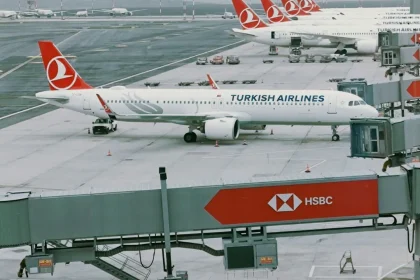

Istanbul Airport’s newest runway handled almost 8% of all departures in its first four weeks of operation and has saved around 284 tonnes of jet fuel by shortening routes, Transport and Infrastructure Minister Abdulkadir Uraloğlu said on Thursday.
The airport’s fourth main runway, its first to run east-west, opened on 18 September, when President Recep Tayyip Erdoğan gave the first take-off clearance. The concrete strip is 2,820 metres long and 45 metres wide. Before it opened, the airport had five runways, three main and two backup, all aligned north-south.
Shorter routes for eastbound flights
According to Uraloğlu, 1,738 aircraft took off from the new runway between 18 September and 15 October, or 7.9% of the 22,118 departures from Istanbul Airport in the same period. Of these, 1,475 flights followed one of four standard instrument departure routes.
The minister said the runway gives air traffic controllers an alternative take-off option, particularly for flights heading east, which includes much of Türkiye’s domestic network as well as routes to the Middle East and Asia. Using it shortened the distance flown by an average of about 15.2 nautical miles per flight compared with the alternative runway, adding up to roughly 22,453 nautical miles.
The ministry estimates this saved about 284 tonnes of fuel and avoided around 897 tonnes of carbon dioxide emissions. It said the fuel and emissions figures were calculated using its own reference coefficients rather than measured directly.
When the runway was announced in September, officials said it would cut taxiing and flight times, especially on domestic and eastbound routes, and improve on-time departures.
A busy hub keeps expanding
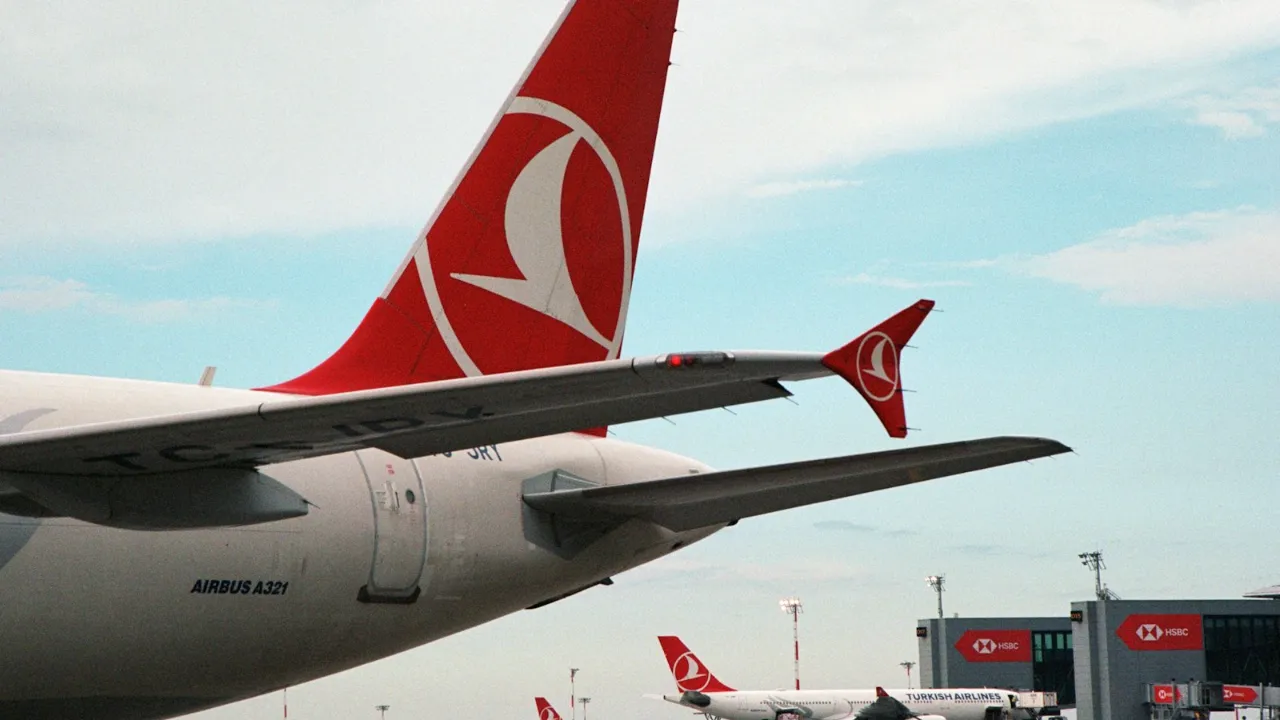
Istanbul Airport, which opened in 2018 on the Black Sea side of the city’s European shore, is the main base of Turkish Airlines and one of the busiest airports in Europe. Turkish airports as a whole handled about 193 million passengers in the first nine months of 2026, and carriers are adding routes for next year, such as AJet’s planned direct flights from Dalaman and Bodrum to Germany.
For travellers, the practical effect of extra runway capacity is usually seen in fewer holding patterns and shorter queues for take-off at peak times, although the ministry did not publish figures on delays. Istanbul’s second airport, Sabiha Gökçen on the Asian side, is served by low-cost carriers including Pegasus and AJet.
Readers relocating to the city can find more on transport and neighbourhoods in our Istanbul living guide and moving to Türkiye checklist.
Sources
- İstanbul Havalimanı’nın yeni pistinden önemli tasarruf (Bigpara/Hürriyet)
- İstanbul Havalimanı’nın 4. ana pisti yarın hizmete alınacak (AA/Foreks)
Photo: ONUR KURT / Unsplash License, via Unsplash