
Archaeologists at Kültepe-Kanesh, one of Anatolia’s most important Bronze Age sites, have uncovered a Hellenistic-period building with a mosaic floor, the first discovery of its kind in 78 years of excavation, Culture and Tourism Minister Mehmet Nuri Ersoy announced on Tuesday.
The find was made by a joint team from the ministry’s General Directorate of Cultural Heritage and Museums, Ankara University and South Korea’s National Research Institute of Cultural Heritage, led by Prof. Fikri Kulakoğlu. Ersoy shared the news on social media and thanked the South Korean partners.
A pebble floor from the Hellenistic era
The building dates to the Hellenistic period, the era between Alexander the Great’s death and the Roman conquest of the eastern Mediterranean, generally placed at 323-30 BC. The surviving section of mosaic measures 163 centimetres east to west and 165 centimetres north to south. Fragments of flooring found around the structure suggest the mosaic originally covered a larger area.
According to the excavation team, the builders first levelled the ground, then laid a base of crushed stone and fine soil, topped with a layer of small river pebbles. Pottery fragments and lime were also worked into the floor.
The team also identified four separate Hellenistic cultural layers around the building. The joint excavation, east of the so-called Warşama Palace, began in 2025 under a memorandum between the Turkish and Korean institutions; this year’s work was its second season.
Why Kültepe matters
Kültepe lies about 20 kilometres northeast of Kayseri in central Anatolia and was occupied from the third millennium BC to the Roman period. Before the rise of the Hittite Empire, it was Kanesh (also called Nesha), capital of a powerful Bronze Age kingdom. Its upper city held palaces and temples, while the lower city contained a karum, a trading quarter used by Assyrian merchants.
Those merchants left behind about 23,500 cuneiform clay tablets, the oldest written archive found in Anatolia, which are listed on UNESCO’s Memory of the World Register. The site was added to UNESCO’s World Heritage Tentative List in 2014. Only about 5% of its area has been excavated.
Researchers now plan systematic work in deeper layers spanning the Kanesh kingdom to the Hittite period. The find adds to a busy season for Bronze Age research in central Anatolia, including a Hittite royal archive of 184 tablets at Kayalıpınar in Sivas and a new Kadesh treaty fragment at Hattusa.
Kayseri is also the main air gateway for visitors to nearby Cappadocia, covered in our autumn and winter travel guide. For anyone considering a longer stay in the country, our moving to Türkiye checklist covers the essentials.
Sources
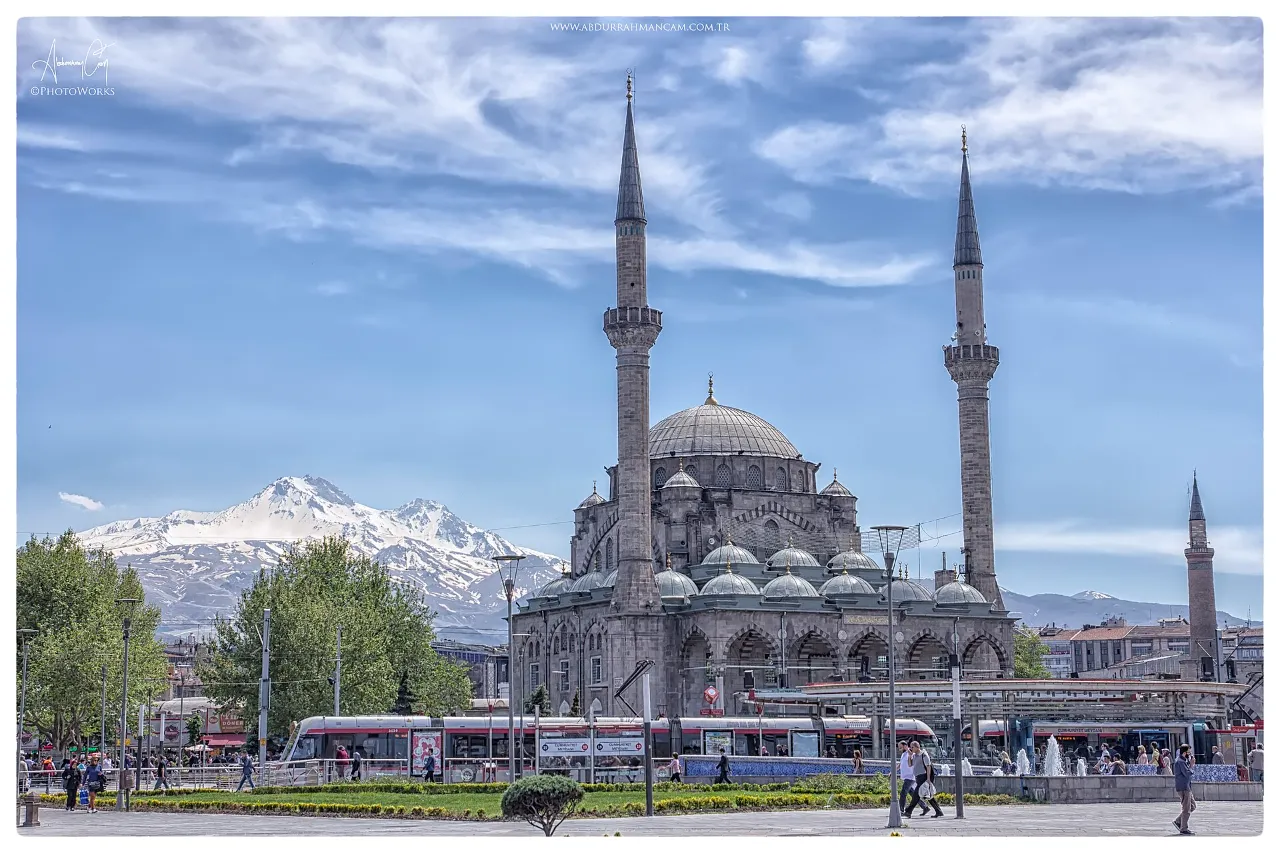
Photo: Abdurrahman Çam / CC BY-SA 4.0, via Wikimedia Commons