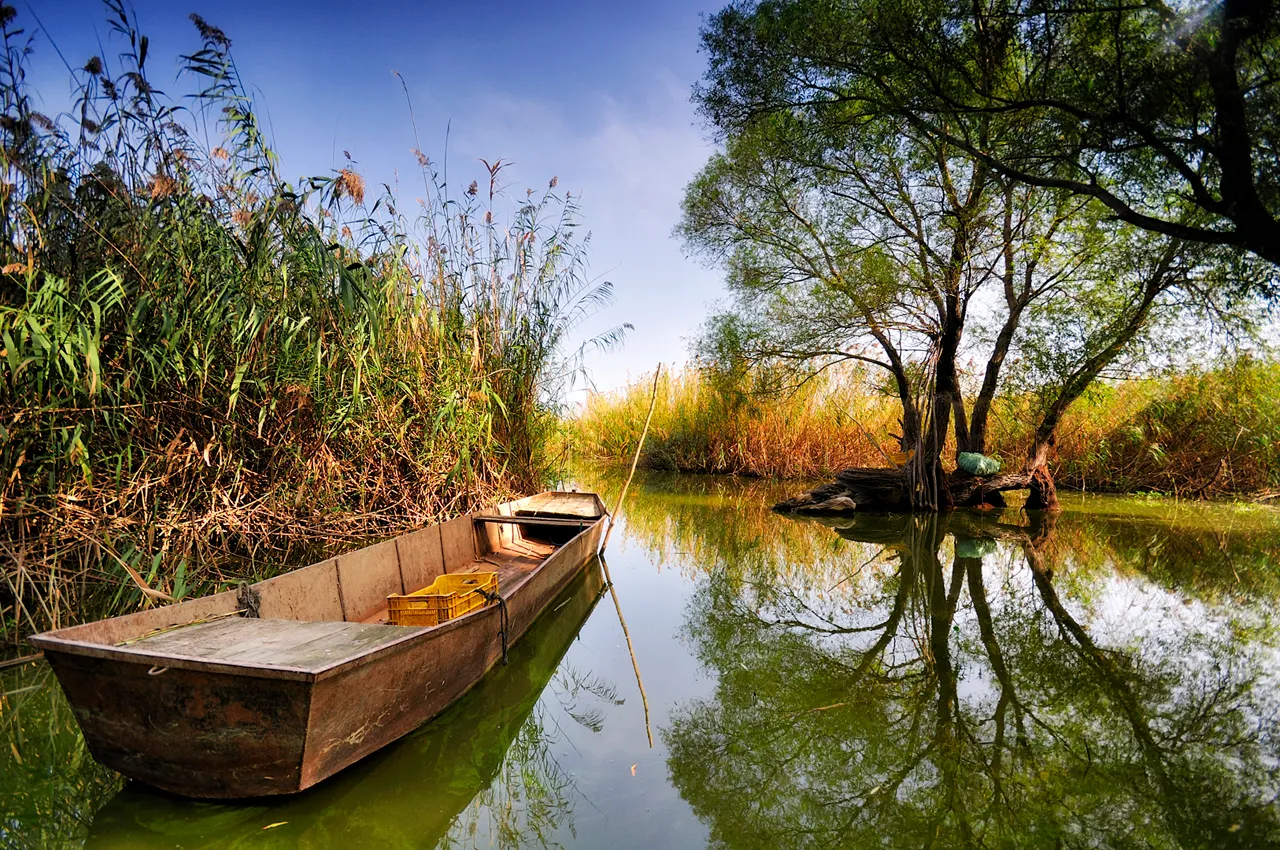

Archaeologists excavating the ancient city of Daskyleion, on the shore of Lake Manyas in Bandırma, Balıkesir province, have recovered carbonised seeds about 2,600 years old from ovens in a building the team calls the "Lydian Kitchen", Anadolu Agency reported on 18 October.
The finds are helping researchers reconstruct the diet and cooking practices of people who lived in the settlement, which has a history stretching back roughly 3,000 years.
Seven ovens and a storeroom
According to the excavation team, a total of seven ovens have been identified in the kitchen complex. This season the archaeologists focused on the storeroom area, where the charred plant remains were found.
The seeds include siyez and gernik, two ancient hulled wheat varieties still grown in parts of Anatolia, as well as bread wheat, six-row barley, broad beans, chickpeas, lentils, peas, grass peas and grapes. Fish and bird bones were also recovered, pointing to a varied diet that combined cereals and pulses with animal protein.
Excavation archaeologist Yeşim Kirman told the agency that the material suggests the kitchen served members of the upper class rather than ordinary households.
A long-running dig on Lake Manyas
Excavations at Daskyleion began in 1954 and are now led by Prof. Kaan İren of the archaeology department at Muğla Sıtkı Koçman University. The 2026 season began in July with support from the Ministry of Culture and Tourism, the Balıkesir governor’s office, Balıkesir Metropolitan Municipality, Manyas Municipality and the university.
Daskyleion is best known to historians as an administrative centre of northwestern Anatolia in the Lydian and Persian periods. Earlier seasons at the kitchen building produced pottery and animal remains that first drew attention to Lydian food culture at the site; the new plant evidence adds detail on the crops that reached the table.
Carbonised seeds survive because they were charred in low-oxygen conditions, often in ovens or hearths, which stops them decaying. Such finds are among the most direct evidence archaeologists have for ancient agriculture and cooking.
Part of a busy archaeology season
The Daskyleion results add to a run of significant finds announced across Türkiye this autumn, including a 4,700-year-old Bronze Age shipwreck off Kekova and deeper layers reached at the Bayraklı mound in İzmir, the site of ancient Smyrna.
Daskyleion lies a short drive from Bandırma, which is linked to Istanbul by fast ferry, making it a possible day trip for history enthusiasts based in the city. Readers considering a move to the area can find practical background in our Istanbul living guide.
Excavation teams in Türkiye typically work through the summer and early autumn, with findings published in scientific reports after laboratory analysis of the samples.
Sources
- Daskyleion Antik Kenti’ndeki fırında 2 bin 600 yıllık karbonlaşmış tohumlar bulundu (Anadolu Ajansı)
Photo: Cetintas555 / CC BY-SA 4.0, via Wikimedia Commons